For the past nine years, I’ve worked on both sides of the fence—first as a contractor for the NHS and then as a health writer translating complex clinical pathways into something patients can actually use. If you’re reading this, you’ve likely moved past the "aesthetic self-care" phase of modern wellness. You aren’t looking for another lavender bath bomb; you are looking for clinical help with genuine challenges like chronic stress, sleep disruption, and the kind of burnout that doesn't just go away after a weekend off.
The conversation around medical cannabis in the UK has shifted significantly. It is no longer a taboo subject discussed only in hushed tones, but a legitimate—albeit highly regulated—branch of pain and psychiatric management. However, entering this space can feel overwhelming. Let’s cut through the noise and talk about how to prepare for your first consultation.
The UK Context: What You Need to Know First
Before we get to the questions, we have to establish the playing field. In the UK, medical cannabis was legalised for specific conditions in 2018. Crucially, this is not the same as the "legalisation" you might read about on American forums. You cannot walk into a shop and buy this off the shelf. It is a prescription-only medicine issued by specialists on the GMC (General Medical Council) Specialist Register.
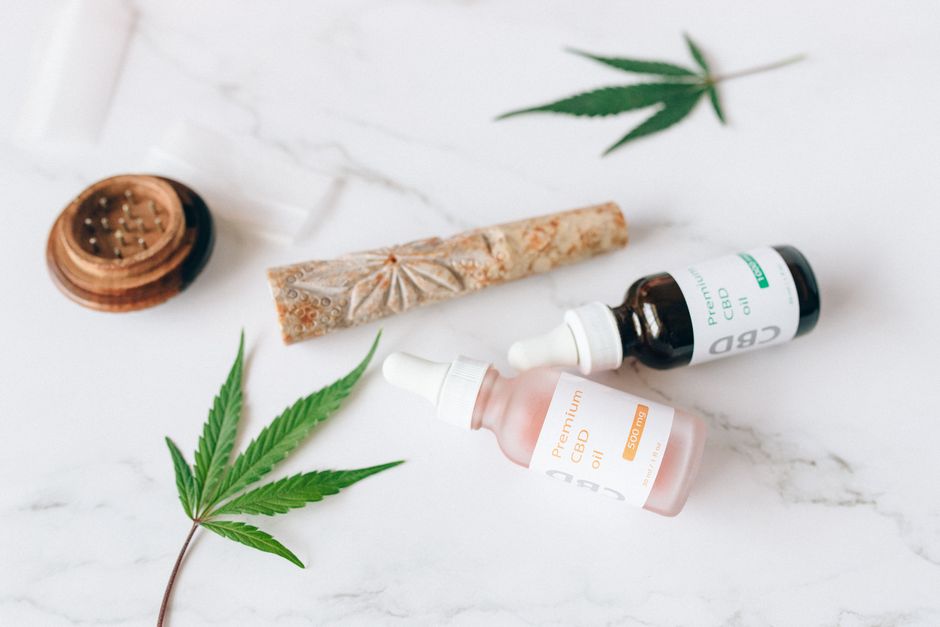
While the NHS does provide medical cannabis, it is currently reserved for a very narrow range of conditions. Consequently, most patients seeking support for stress, sleep, or emotional regulation utilize private clinics, such as Releaf. These providers operate under the same strict CQC (Care Quality Commission) regulations as any other private healthcare provider.
Myth vs. Reality: Myth: Medical cannabis is just a "chill pill" for recreational users. Reality: Medical cannabis is a pharmaceutical-grade intervention used for specific symptom management under rigorous clinical supervision. If a provider is promising you a "high," you are in the wrong place.Getting Prepared: The Role of Telehealth
Most of these appointments now happen via telehealth systems. This is a blessing for accessibility, but it requires you to be organized. Before you even log on, ensure your medical summary from your GP is ready. These clinics need to see that you have tried at least two first-line treatments (e.g., standard SSRIs for anxiety or conventional sleeping pills for insomnia) before they can consider prescribing medical cannabis.
You ever wonder why tools like captions nest are increasingly becoming relevant in the patient journey. Many patients use these services to ensure they have a verbatim record of their consultations. Having an accurate transcript of what your clinician said regarding dosage or side-effect reporting is invaluable for your peace of mind.
The "Must-Ask" List: A Strategic Approach
Don't go into your appointment hoping the doctor will lead the entire conversation. They are busy, and you are the expert on your own life. Here is what you should ask to ensure you are getting safe, effective care.
1. Eligibility Questions
You need to know where you stand immediately. Don't wait for the telehealth medical cannabis UK end of the call.
- "Based on my current medical history, what are the specific clinical indicators that suggest medical cannabis is an appropriate next step for me?" "Are there any contraindications between my existing medication (e.g., antidepressants or beta-blockers) and the proposed cannabis treatment?" "What is the expected pathway if my first prescription doesn't yield the desired results?"
2. Treatment Monitoring
Avoid any service that suggests "set and forget." Medical cannabis treatment is highly individualised.
- "How often will we be conducting a follow-up review to assess the efficacy of this strain and dose?" "What are the specific metrics we will be using to track my progress? (e.g., sleep duration logs, anxiety scores, pain scales)." "How do I use the online patient portal to report adverse effects or request a dose adjustment between scheduled reviews?"
3. Managing Expectations
This is where I ask you to keep your feet on the ground. Anyone promising "miracle" relief is not operating with your best interests at heart.
- "What are the most common side effects associated with this specific formulation, and what should I do if they occur?" "How long does it typically take for a patient with my profile to notice a therapeutic shift?"
What to Expect: A Quick Reference Table
To help you structure your notes, use this table during your consultation prep.
Category Key Objective What to Look For Safety Confirming drug interactions Clear documentation of your current medication list. Titration Finding the right dose A plan that follows "start low, go slow." Monitoring Ongoing clinical oversight Access to an intuitive patient portal for updates. Cost/Access Sustainable care Transparency on repeat prescription fees and appointment costs.Normalization and Destigmatization
There is a lot of noise online about "studies showing" that cannabis cures everything from acne to burnout. Ignore the vague references. Always ask your clinician, "Where can I find the clinical evidence supporting this specific treatment for my condition?" A good doctor will point you toward the underlying research rather than a blog post written for marketing purposes.. Exactly.

By engaging with established clinics and using secure systems to manage your treatment, you are participating in the formal medicalization of this therapy. This is the most effective way to help destigmatize the process. When we treat this like medicine—not a lifestyle trend—the stigma fades, and the focus returns to what actually matters: your long-term wellbeing.
Final Thoughts for the Patient
You are entering a partnership. You are paying for a specialist's time, expertise, and legal oversight. If you feel like your questions are being brushed aside, or if the "eligibility" criteria are being explained in a way that feels too good to be true, pause.
Real wellness isn't about finding a magic bullet. It’s about building a framework that allows your nervous system to regulate itself, whether that’s through improved sleep hygiene, professional therapy, or, where appropriate, regulated cannabis-based medicine. Take your notes, use your patient portals, and remember: Click here for more info you have every right to understand exactly what you are putting into your body.
Disclaimer: I am a health writer, not a doctor. This information is intended for educational purposes and should not replace professional medical advice. Always consult with a registered specialist regarding your specific health needs.