In my eleven years of translating clinical research into plain English, I have seen one persistent trend: the "supplement stack." Whether it is a daily multivitamin, a specific botanical for sleep, or a trendy gummy, many of us treat supplements as benign additions to our wellness routines. However, I often remind the patients I work with that just because something is “natural” does not mean it is pharmacologically inactive. In the eyes of your liver, supplements are just another chemical compound to process alongside your prescribed medications.

When you head to your doctor or pharmacist to discuss your health, preparation is your greatest asset. It is not enough to just mention you “take a few things.” To get a clear picture of potential interactions, you need a structured approach. This guide will walk you through exactly what to bring and how to maximize your time during that consultation.
Why Product Interactions Matter in Your Wellness Routine
Many patients believe that vitamins and herbal supplements navigating nhs medical cannabis guidance exist in a different category than prescription drugs. In reality, your body uses the same metabolic pathways—primarily in the liver—to process both. When you combine substances, they can "compete" for these pathways, leading to one drug being processed too quickly (rendering it ineffective) or too slowly (leading to a buildup that causes toxicity).
This is why understanding dose, timing, and metabolism is so important:
- Dose: The concentration of a supplement can vary wildly by brand. A "standardized extract" might be significantly more potent than the powdered herb used in a previous study. Timing: Taking a medication and a supplement at the same time can occasionally lead to binding in the gut, where the supplement prevents the medication from being absorbed into your bloodstream. Metabolism: Your body relies on enzymes—most notably the Cytochrome P450 (CYP450) system—to break down drugs. Some supplements, like St. John’s Wort or Grapefruit extract, act as "inducers" or "inhibitors" of these enzymes, effectively changing how your body handles your prescribed medication.
The "Must-Have" List for Your Appointment
If you show up to an appointment empty-handed, you are relying on your memory, which is notoriously unreliable during stressful medical visits. Instead, come prepared with these three specific items:
1. Bring Supplement Bottles
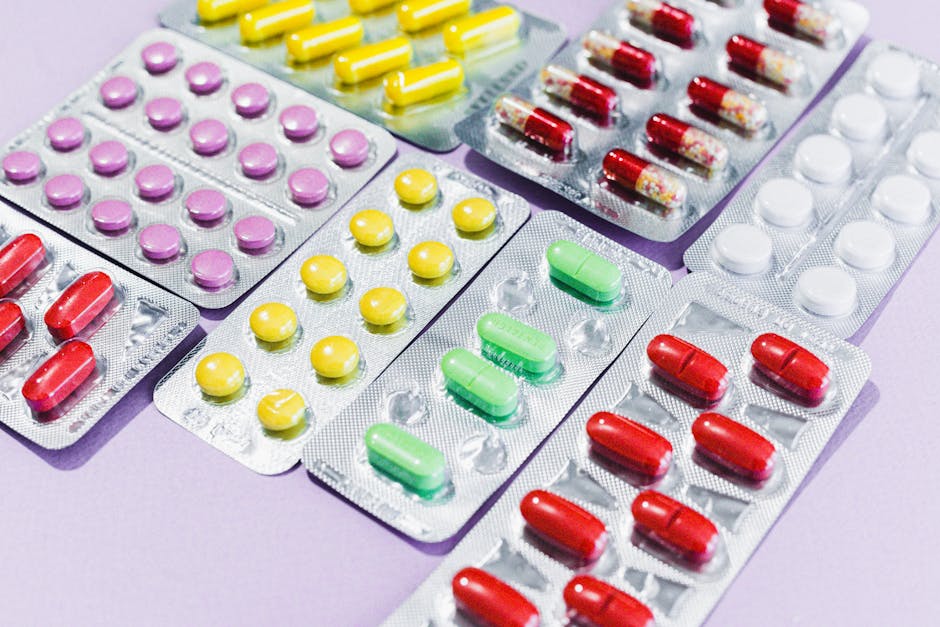
Do not just write down the names. Bring supplement bottles in a bag. Why? Labels contain crucial information that isn't always obvious: the exact species of the herb (e.g., Panax ginseng vs. Eleutherococcus senticosus), the dosage per capsule, and the "other ingredients" (like fillers or binders) that might cause reactions.
2. A Comprehensive Medication List
Your medication list should include more than just your prescriptions. Create a master document that includes:
- Prescription medications (including dosage and frequency). Over-the-counter (OTC) medications (painkillers, allergy pills, antacids). Vitamins, minerals, and herbal supplements. Anything you take "as needed," like rescue inhalers or melatonin.
3. Detailed Symptom Notes
Keep symptom notes for at least two weeks before your visit. If you feel "off" an hour after taking your morning stack, document it. Interactions don't always https://highstylife.com/why-do-people-say-start-low-and-go-slow-with-cbd/ look like a dramatic reaction; often, they present as subtle side effects like fatigue, brain fog, or changes in how your chronic condition is being managed. Having concrete data helps your pharmacist identify patterns.
A Spotlight on CBD and Medication Awareness
One of the most frequent questions I receive involves Cannabidiol (CBD). Because CBD is widely available, many people assume it has no pharmacological footprint. However, CBD is a potent inhibitor of certain CYP450 enzymes. If you are taking medications with a "narrow therapeutic index"—meaning even a small change in blood levels can cause a major issue (such as blood thinners like Warfarin or certain anti-seizure medications)—CBD can significantly alter your levels.
If you use CBD, be transparent. Tell your provider exactly which form (oil, gummy, topical) you use. Topical CBD generally has a lower risk of systemic interaction compared to ingestibles, but it is still worth flagging.
Digital Research Habits: Comparing Your Sources
We live in an age of information overload. While it is great to do your own research, you must approach your digital discovery with a critical eye. When you use search engines to cross-check information, look for reputable sources like the National Institutes of Health (NIH) or peer-reviewed clinical databases. Avoid sites that sell the products they are reviewing.
Educational videos can be helpful for understanding *how* a drug works, but they are not a substitute for a medical consultation. If you find a video that claims a supplement will “detox” your liver, be skeptical. "Detox" is a vague marketing term with no physiological basis in this context. Your liver is already doing the heavy lifting; your goal is to support it, not confuse it with conflicting chemical signals.
Source Comparison Table
Source Type Reliability Best Used For Government Health Sites (NIH/NHS) High Verifying active ingredients and safety warnings. Peer-Reviewed Journals Very High Understanding complex biochemical mechanisms. Social Media/Influencers Low Lifestyle inspiration only; never for dosage or safety advice. Manufacturer Websites Moderate Checking product-specific ingredients (take claims with a grain of salt).My Running Checklist: Questions to Ask Your Pharmacist
Pharmacists are perhaps the most underutilized resource in the healthcare system. They are the true experts on drug interactions. When you have your medication list and supplement bottles in front of them, ask these specific questions:
"Does this supplement compete with any of my prescription medications for the same metabolic pathway in the liver?" "Are there specific times of day I should separate these to ensure they don't interfere with absorption?" "Are there any specific side effects I should watch for that might indicate an interaction?" "Is there a safer alternative to this supplement that provides similar benefits?" "How would this supplement interact with my other health conditions, not just my medications?"Final Thoughts: Empowerment Through Nuance
Don't be afraid to take your time during your appointment. You are the manager of your own health. The goal of this preparation isn't to scare you away from supplements—many are highly beneficial when used correctly. The goal is to move from "blindly taking" to "informed usage."
Remember, your health is a long-term project. By bringing the right tools to your pharmacist, you are building a foundation of safety that allows you to enjoy your wellness routine without worrying about the unseen friction between your pills. Stay curious, check your sources, and always, always bring the bottles.