If you have interacted with the National Health Service (NHS) in the last few years, you have likely noticed a shift. The days of chasing paper files or waiting weeks for a letter to arrive by post are fading. Instead, healthcare is moving toward digital hubs. You might know these as patient portals. But what exactly are they, and why have private medical cannabis clinics like Releaf or platforms like Drhomey adopted them so rapidly?
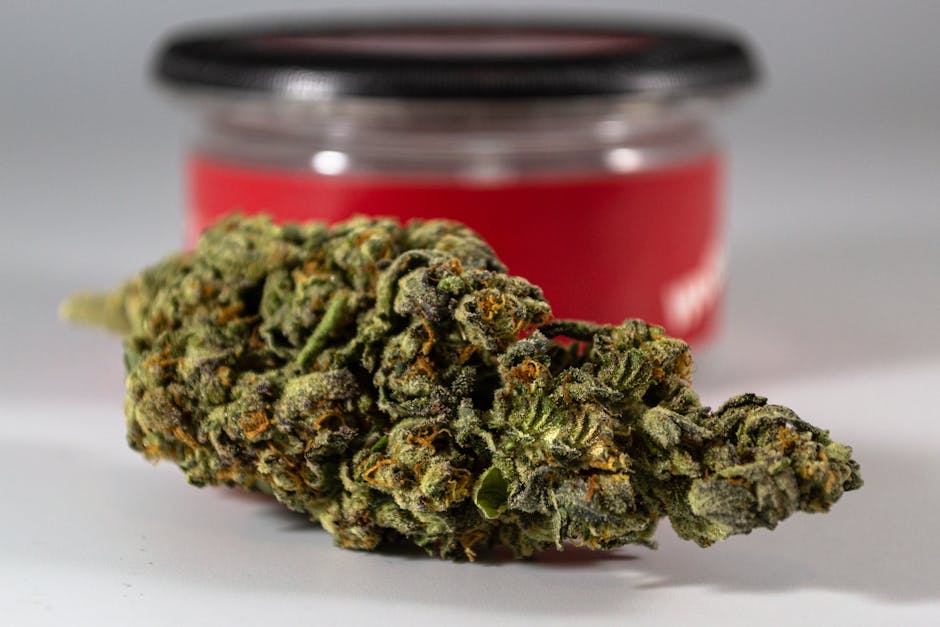
As a journalist who has spent nine years tracking how technology changes the way we see doctors, I have seen many digital trends come and go. Many are just marketing fluff. However, the patient portal is a genuine tool for clinical safety. It is not just a fancy login page. It is a way to ensure your medical records are accurate, secure, and accessible.

What is a Patient Portal?
An online patient portal is a secure website that gives you access to your personal health information. It acts as a digital bridge between you and your healthcare team. When you log in, you are not just looking at a dashboard. You are viewing a direct feed of your health record.
In the world of medical cannabis, these portals are essential. Since the law changed in 2018 to allow specialist doctors to prescribe cannabis-based products for medicinal use, the industry has had to operate under strict clinical governance. This means clinics must keep detailed records of your eligibility, your side effects, and your progress. A portal makes this possible.
Key features usually found in a patient portal:
- Secure messaging to speak with your clinical team Access to your prescription management history Booking systems for telehealth systems and secure video consultations A digital repository for your past medical history Forms to track how you are feeling day-to-day
The Shift From Quick Fixes to Long-Term Wellbeing
There is a dangerous trend in some corners of the internet that treats health as a series of instant solutions. You see influencers claim that a supplement or a specific flower will "cure" an illness overnight. As a patient educator, I must be clear: medical cannabis is not a cure-all. It is a medicine used to manage symptoms in specific, treatment-resistant conditions.
The modern healthcare approach has moved away from one-size-fits-all advice. Instead, clinics are now focusing on long-term wellbeing. This requires ongoing monitoring. When you use a portal, you are participating in a structured care plan. You aren't just buying a product. You are providing data on how that medicine works for your specific body. This is what personalized health support actually looks like.
The Clinical Structure of a Cannabis Clinic
It is important to understand that a medical cannabis clinic is not a high-street shop. It is a regulated medical environment. Even if the consultation happens through secure video consultations, the legal requirements remain the same as a physical hospital.
Stage Purpose Eligibility Screening Checking if your condition meets clinical guidelines. Consultation A specialist assesses your health and goals. Prescription Management The doctor issues a legal, tracked script. Ongoing Monitoring Using the portal to report symptoms and progress.When you use a portal, you are part of a closed-loop system. The doctor uploads your clinical notes, and you can see them. You might receive updates about your prescription management directly. This transparency is a legal requirement in the UK, designed to keep patients safe from unregulated products.
Debunking the "No Price" Myth
A common complaint I see on forums is that clinics do not display prices on https://smoothdecorator.com/what-happens-after-you-get-approved-for-medical-cannabis-in-the-uk/ their websites. Some patients assume this is a sign of a hidden agenda or a scam. It is important to debunk this myth.
Medical cannabis is a controlled substance. UK law prohibits the advertising of controlled medicines to the general public in a way that encourages their use as a retail product. Pricing is often excluded from public-facing websites because these are clinical services. Prices are determined by your specific prescription, your dosage, and the formulation of the medicine. These details can only be decided after a specialist has reviewed your medical file. It is a safety measure, not a marketing tactic.
Why Telehealth Systems Matter
Before 2018, the hurdle to accessing specialist care was often geography. If you lived in a remote part of the UK, getting to a specialist consultant could be an all-day event. Today, telehealth systems allow you to see a doctor from your home.
These systems are built into the patient portals I mentioned earlier. During these appointments, the doctor uses secure video consultations to evaluate your condition. They are looking for specific clinical indicators. They need to see how you are reacting to your current treatment. Because the video is recorded or logged through the secure portal, there is an audit trail. This protects both you and the doctor.
Patient Portal Myths
I keep a running list of myths I encounter in my work. Let us clear up a few regarding digital health:
"The clinic can see everything on my phone." No. They can only see the information you upload to their secure server. Your private messages and photos are not accessible. "Portals are just for booking appointments." While booking is a feature, the main value is the exchange of clinical data. It is the primary way your doctor tracks if your treatment is working. "My GP will be ignored." Good clinics use portals to coordinate care. They should be able to send summaries to your General Practitioner (GP) if you provide consent.Secure Messaging: A Tool for Safety
One of the most useful features of a portal is secure messaging. Unlike email, which is often not encrypted, a portal’s messaging system is designed to meet strict data protection laws. If you medical cannabis for anxiety symptoms UK are experiencing an unexpected side effect from your medication, you can message your team directly. They can read it, update your record, and advise you on the next steps.
This is the difference between "wellness" and "medicine." Wellness apps often collect your data to sell you more products. A medical portal uses your data to ensure your treatment remains safe and effective.
Personalized Care vs One-Size-Fits-All
The biggest benefit of this digital structure is personalization. If you were taking a generic medicine, you might just be told to "take two a day." With medical cannabis, the dose is often titrated, which means it is slowly adjusted to find the amount that works best for you with the fewest side effects.
By using an online patient portal to log your symptoms, you help your doctor see patterns. Perhaps your anxiety is lower, but your sleep is not improved. The doctor sees this data and adjusts your prescription. This is the definition of personalized health support. It is the opposite of the "take this and hope for the best" approach.
Final Thoughts
Technology in healthcare should be invisible. It should just work. When you use a portal for your cannabis consultation, you are not engaging in a complex tech process. You are simply using a modern, secure way to keep your medical records in one place.
Remember that the priority of any clinic you choose must be your clinical outcome. Look for platforms that emphasize clear communication, secure data storage, and regular check-ins. If you are ever unsure, ask the clinic how they store your data and how they communicate with you. Your health is a long-term project. Having the right tools to manage it is the first step toward better results.
Stay informed, check the credentials of your clinic, and prioritize your safety above all else.