After nine years working on the front lines of NHS digital transformation, I’ve sat through enough "innovative" kickoff meetings to know the difference between a functional clinical workflow and a flashy landing page. Too often, healthtech vendors sell the dream of a "seamless digital journey," but when you peel back the layers, you find a collection of disconnected software silos that leave patients more confused than when they started.
A true digital healthcare ecosystem isn't just a video consultation platform. It is an end-to-end infrastructure that treats clinical safety, regulatory compliance, and patient transparency as non-negotiable pillars. If your "modern" healthcare platform treats a prescription refill like a generic e-commerce checkout, you’re missing the point—and potentially endangering the patient.
Mapping the Patient-First Digital Flow
Before we dive into the features, let’s look at the actual clinical process. A functional ecosystem must move the patient through these distinct stages without forcing them to re-enter data or wait in a "digital black hole."
Qualification & Risk Assessment: Secure online eligibility forms that triage the patient against clinical guidelines. Clinical Identity & Record Integration: Pulling patient history via secure digital medical record requests to ensure the clinician has the full picture. Synchronous/Asynchronous Care: The consultation itself, facilitated through a secure messaging system or video link. Clinical Governance & E-prescribing: The transition from diagnosis to the regulated pharmacy system. Post-Care Tracking: Visibility into prescription tracking and long-term condition management.
The Patient Dashboard: The Control Center
The core of any mature platform is the patient dashboard. Too many companies treat this as a "status bar," but a true dashboard serves as a health record hub. It needs to be the singular place where a patient can see their treatment plan, review past consultation notes, and—critically—check the progress of their clinical journey.
If the patient has to email support to ask, "Where is my prescription?" or "Did the doctor receive my medical history?", the platform has failed. A well-designed messaging system within this dashboard should allow for secure, audit-trailed communication between the clinician and the patient, replacing the dangerous reliance on standard email or phone tag.
Transparency: The Missing Piece of the Puzzle
One of my biggest frustrations when reviewing modern healthtech is the "subscription-bait" model. Many platforms hide their true costs behind a login wall, or worse, omit them entirely until the final step of the checkout process. In a regulated care environment, this is unacceptable.
If you are prescribing medication, you are providing a healthcare service. A patient deserves to know the total cost of their care upfront. This means clear, itemized pricing for:
- Clinical Consultation Fees: The cost of the clinician’s time for review. Medication Costs: The price per unit of the treatment. Delivery and Logistics: Shipping costs for sensitive or temperature-controlled pharmaceuticals.
When a platform obfuscates these costs, it erodes trust. Patients aren't just consumers; they are people navigating health anxieties. Treating their financial obligations like a "hidden fee" retail tactic is a design flaw that undermines the clinical relationship.
Comparison: Traditional vs. Digital-First Care
To understand the shift, we have to contrast the legacy NHS-style manual process with what a high-functioning digital ecosystem should deliver.
Feature Legacy/Manual Process Modern Digital Ecosystem Eligibility Paper forms/In-person GP triage Dynamic online eligibility forms Medical Records Fax or mail requests Digital medical record requests (API-integrated) Communication Telephone/Post Secure, audit-trailed messaging system Prescription Paper FP10 forms E-prescribing via regulated pharmacy integration Transparency Opaque (or free at point of use) Clear, itemized pricing visible before commitmentRemote-First Workflows for Specialist Care
Telemedicine in the UK has moved past the "urgent care for simple ailments" phase. We are now seeing a massive push into remote-first specialist care—managing chronic conditions like diabetes, hypertension, or dermatological issues. This is where digital record integration becomes vital.
If a specialist is treating a patient remotely, they need access to existing health data. Using digital medical record requests to ingest patient history directly into the specialist’s clinical view is not just a "nice to have"; it is a clinical safeguard. It prevents prescribing errors based on incomplete information. Any platform claiming to offer specialist care without a robust strategy for integrating with the patient's existing NHS Summary Care Record (SCR) is fundamentally limited in its safety protocols.
Prescription Tracking: Closing the Loop
Once a medication is prescribed, the ecosystem must not end there. A patient’s anxiety often peaks between the "consultation is over" and "the medicine is in my hand" phases. Prescription tracking is essential for compliance and patient safety.
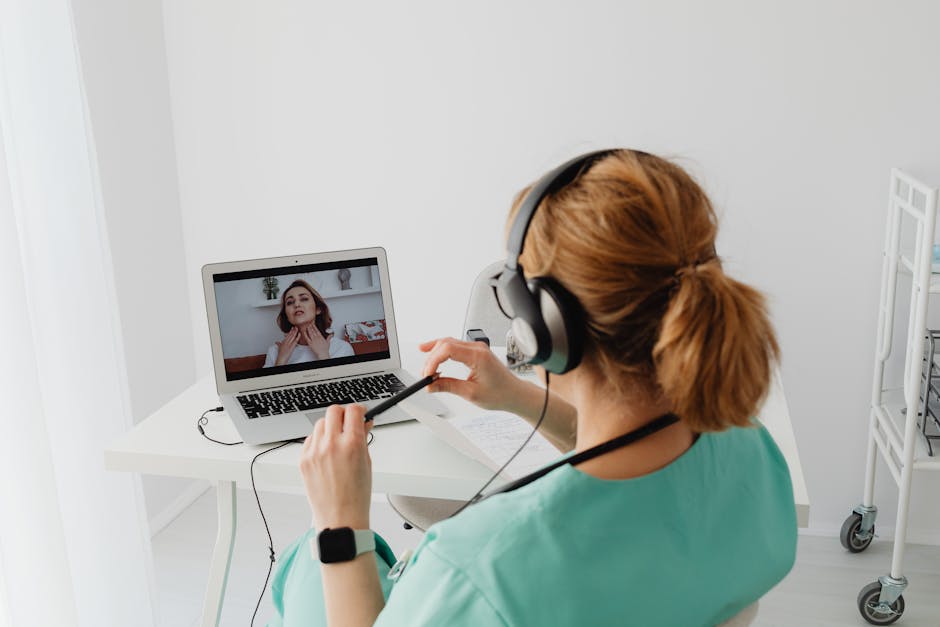
By integrating the platform with pharmacy workflows, patients should receive updates on:
Clinical sign-off of the prescription. Pharmacy receipt of the electronic prescription. Dispatch confirmation and courier tracking.This provides a sense of agency to the patient, reducing the administrative burden on clinical staff who would otherwise spend their time answering "Where is my package?" queries instead of focusing on patient care.
The "Confusing Terms" Sidebar
As I promised, here are a few terms I’ve seen used to baffle patients. Let's simplify them.
- Asynchronous Consultation: A fancy way of saying "the doctor will read your form and message you back later, rather than meeting you on a video call right now." Clinical Governance: The processes (like auditing and data checks) that prove a company is keeping patients safe and acting within the law. Interoperability: Whether or not the app can actually "talk" to other medical databases (like your GP's record system). Summary Care Record (SCR): A digital backup of your GP records that includes your medications, allergies, and bad reactions to medicines.
The Verdict: Stop Selling "Tech" and Start Building "Care"
If you are building a digital healthcare product, stop focusing on how "frictionless" your checkout is. Start focusing on how safe and transparent your care pathway is. A patient doesn't want a "streamlined e-commerce experience" for their hypertension; they want to know that their specialist has their full medical history, that their medication is safe, that their costs are transparent, and that they can reach someone if something goes wrong.
The modern healthcare ecosystem is not about the software; it’s about the trust that the software facilitates. If your platform isn't designed to support the clinical journey—not just the transaction—then it isn't healthcare. It’s just an app.

About the author: As a former NHS digital transformation contractor, I’ve spent nearly a decade bridging the gap between clinical necessity and technical implementation. I’m currently focused on piksart.one advocating for higher standards in healthtech transparency and patient safety.