I’ve spent nine years in the trenches of tier-2 esports. I’ve seen players win their first LAN and immediately start shaking. I’ve seen favorites crumble because they spent the night before the finals "reviewing demos" until 4:00 AM. I’ve heard coaches tell teenagers that their inability to keep their cool under pressure is a "lack of discipline."
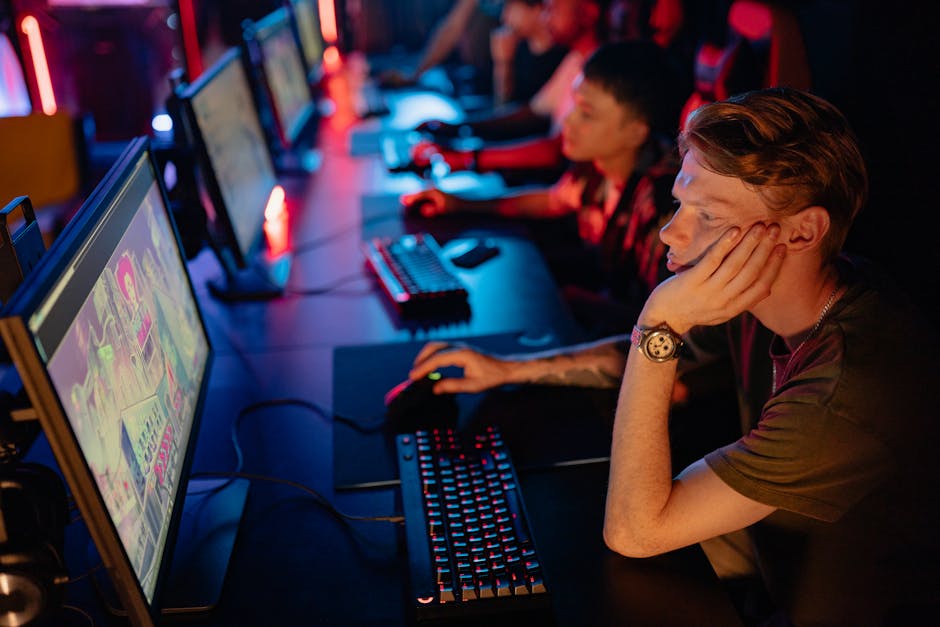
Let me be the first to tell you: calling burnout a lack of discipline is lazy coaching. It’s a convenient scapegoat for organizations that don’t want to invest in actual recovery infrastructure. When a player snaps during a high-stakes match, that’s not a personality flaw—that’s a physiological collapse caused by systematic neglect.
If you want to maintain your composure when the stage lights are hot and the economy is broken, you need to stop viewing emotional management as a "soft skill" and start viewing it as a core technical metric—just like your aim or your utility usage.
1. The Cognitive Cost of the "Tilt"
Most Click here players think "tilt" is just getting mad. In reality, it is a state of severe cognitive fatigue. When you are deep into a tournament, your prefrontal cortex—the part of your brain responsible for high-level decision-making, impulse control, and emotional regulation—is essentially overclocked.
When you are fatigued, your brain prioritizes efficiency over accuracy. This is why you start "autopiloting" or making the same aggressive, high-risk plays that cost you the map five minutes ago. You aren’t playing worse because you lack confidence; you’re playing worse because your brain’s processing power has been throttled by constant stimuli.
exercises to prevent gaming injuriesThe Decision-Making Decline Loop:
Input Overload: Intense communication, rapid gameplay changes, and high noise levels. Prefrontal Fatigue: Executive function begins to fail. Emotional Dysregulation: The amygdala takes over—the "fight or flight" response is triggered by every minor mistake. Suboptimal Choice Making: You stop playing the system and start playing your feelings.2. Debunking the "Sleep When You're Dead" Myth
I keep a running list of myths that teams still repeat like they’re gospel. You’d be surprised how many "pro" teams still cling to these, especially during tournaments. If your team is doing these, you are actively losing matches before the first pistol round.
The Myth The Reality "Scrimming until 2:00 AM helps us lock in." Late-night spillover kills REM sleep. You’re just practicing bad habits while sleep-deprived. "Energy drinks keep reaction time sharp." They spike your heart rate, which destroys fine motor control and increases performance anxiety. "We just need to 'grind through' the tournament fatigue." Fatigue is cumulative. By day three, your reaction time is equivalent to being legally intoxicated.Sleep quality is the foundation of frustration management. If you are sleep-deprived, your threshold for frustration drops significantly. You aren't just tired; you are chemically primed to lose your head.
3. Burnout: The Silent Performance Killer
I hear it all the time: "Our star player is burnt out, they need a week off." Burnout isn't an individual problem; it's a team performance failure. If your roster is burnt out, it means your schedule, your scrim volume, and your recovery protocols are unsustainable.
Burnout shows up in the comms first. The "loud" players go silent, and the "quiet" players become caustic. When a team hits this wall, confidence building becomes impossible because the players are too busy trying to survive the match to actually learn from it.
Signs Your Team is Approaching the Wall:
- Communication turns from "strategic" to "blame-heavy." Players stop taking responsibility for their own mistakes. The "What's the point?" attitude settles in during map two of a BO3. Physical symptoms: Headaches, jaw clenching, and erratic eye movement.
4. Recovery Routines as Training
In the tier-2 scene, we worked with a sports psychologist and a strength coach who taught me one vital lesson: Recovery is training. If you don't treat your post-match time as seriously as your pre-match warm-up, you will never achieve consistent performance.
You need to build a "cool down" routine just like an athlete. You can't go from a high-intensity clutch situation to trying to sleep five minutes later. Your central nervous system is still firing on all cylinders.
The "Post-Match Reset" Protocol:
The Comm De-brief (5-10 mins): Vent the emotion immediately in a controlled environment, not in the lobby. Get the anger out so it doesn't fester. Physical Disconnect (15-20 mins): Get away from all screens. Walk, stretch, drink water. You need to reset your visual field and lower your heart rate. Tactical Review (Delayed): Never review demos immediately after a tough loss. Your brain is in an emotional state, not an analytical one. Wait until the next morning.The Monday Question
I am tired of vague advice like "just optimize your routine." That’s useless. It’s airy, it’s unmeasurable, and it makes players feel like they are failing at something they don't even understand.
When I work with teams, I always ask the same question: "What changes on Monday?"
If you lose a tournament because you tilted, what is the concrete, actionable change you are making to your schedule for next week? Are you reducing scrim blocks by 30 minutes? Are you mandating no screens 45 minutes before sleep? Are you instituting a "no-blame" communication rule during dry-runs?

If your answer is "we'll just try harder," you aren't fixing anything. You are just waiting for the next inevitable collapse.
Final Thoughts: The Architecture of Composure
Composure isn't a superpower. It’s the result of having the physiological bandwidth to handle stress. When your body is rested, your sleep is on track, and your recovery is prioritized, you have the "cognitive space" to catch yourself before you tilt.
Stop glorifying the all-nighter. Stop treating your brain like a machine that doesn't need cooling. You want to win more tournaments? Start by managing your energy as effectively as you manage your economy in-game.
If you don't have a plan for recovery, you are already planning to fail. What changes on Monday?