During my nine years managing appointment systems and clinic onboarding for the NHS, I spent thousands of hours watching patients struggle with the transition from the sterile, fluorescent-lit waiting room to the kitchen table. I’ve seen the panic when a connection drops, the frustration of a doctor who can’t hear over a barking dog, and the absolute confusion when a patient hangs up not knowing if they actually have a prescription coming their way.
Video consultations are often marketed as a "revolutionary" fix for healthcare. Let’s be clear: they aren't revolutionary; they are just a change in venue. If you don't treat your home setup with the same care as a physical visit, you aren't saving time—you’re just inviting a different kind of headache. If you want your video consultation setup to actually work, you need to think like a clinic coordinator.
The Reality of Privacy at Home
The most common friction point I hear about? Patients feeling like they can't be honest because their partner, kids, or housemates are in the next room. Privacy at home isn't just about closing a door; it’s about controlling your environment so you feel empowered to be candid.
When you are preparing your space, consider these factors:
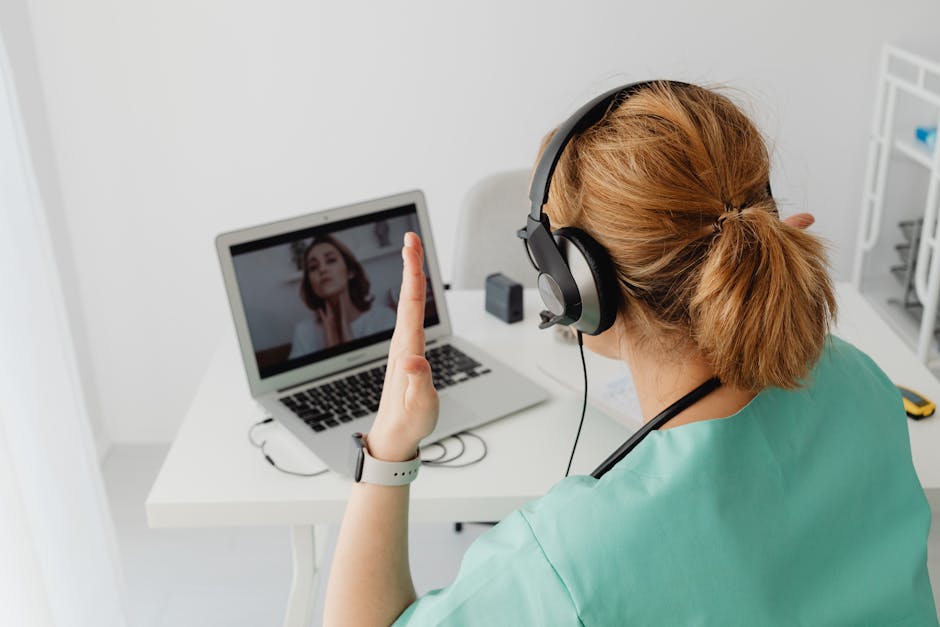
- Acoustic Isolation: If you don't have a private room, use noise-canceling headphones. It’s not just for your focus; it prevents the doctor's voice from bleeding into your living space, which adds a layer of privacy. Visual Privacy: Sit with a wall behind you. It prevents the doctor from seeing your laundry pile or your family walking in the background. It also reduces visual clutter, which keeps the focus on the clinical interaction. The "Housemate Policy": Tell your family you are in an "in-person" appointment. If you treat it like a casual Zoom call, they will treat it like one. If you treat it like a doctor's visit, they’ll learn to respect the closed door.
Geography is No Longer a Barrier (If You’re Prepared)
One of the true benefits of telehealth is the ability to bypass geography. I’ve worked with patients in rural areas who had to drive three hours for a ten-minute consultation with a specialist. That was a systemic failure. Now, you can access top-tier specialists from your couch.
However, many platforms overpromise on the "seamless" nature of this. They skip the reality that you are the IT department for your own appointment. If you are seeing a specialist, you need to ensure they have your data *before* the call. If your platform has a document upload feature, use it. Don't wait until the call starts to realize you don't know how to share https://www.talkandroid.com/526127-how-telehealth-platforms-are-reshaping-patient-expectations/ your blood test results.
Mobile-First Expectations: Test Your UX
Here is where I get pedantic: always double-check whether the feature is available on mobile. Many platforms talk about "omnichannel care," but their mobile portal is often a stripped-down, buggy version of the desktop site.
Before your appointment day, open your confirmation email on your phone. Click the link. Does it force you to download an app? Does it open in a browser that doesn't support camera access? If you are planning to use your phone, do this 24 hours in advance. Do not be the person who spends the first five minutes of a fifteen-minute appointment struggling with a browser permission pop-up.
Pre-Appointment Tech Checklist
Action Why it Matters Test Telehealth Audio/Video Ensures connectivity, but also highlights if your mic is picking up too much echo. Check Mobile Compatibility Many portals work differently on iOS vs Android browsers. Don't find out at T-minus 2 minutes. Upload History/Data Saves precious minutes of the consultation. Don't spend the first 5 mins describing past records. Check Battery/Charging A dead phone mid-consultation is a continuity nightmare.The "What Happens After the Call Ends?" Mentality
This is my biggest frustration with modern health tech. Apps love to focus on the "speed" of the video call but ignore the administrative "hangover" that occurs afterward. In my admin days, the most common calls I received were: "Did the doctor send that prescription?" or "I don't know what the next steps are."
When the video feed cuts out, your clinical care doesn't stop. You must ensure you know:
The Digital Prescription Workflow: Does the prescription go to a specific pharmacy, or is a digital token sent to your phone? Know how you are getting your meds before you disconnect. The Follow-up Protocol: If you don't hear back in 48 hours, what is the process? Is there a secure message portal, or are you expected to call the clinic? Never leave the call without asking, "How will I know if my test results are in?" Documentation: Where will the clinical notes live? If you use a patient portal, ensure you have your login credentials handy. You have a right to access your health summary.Avoid the Vague Marketing Claims
You will see a lot of marketing jargon about "better outcomes" or "personalized pathways" in these apps. Ignore it. Focus on the mechanics. Faster access and flexible scheduling are the only real benefits of telehealth.
Do not be fooled by apps that promise "improved health" through tech alone. A video call is just a conversation; it is not a cure. The "better outcome" comes from your ability to provide the doctor with clear information and your ability to follow up on the treatment plan. If the platform isn't providing a clear way for you to track your prescriptions or view your clinical notes, then the "revolutionary" label is just noise.
Continuity of Care: Why Ongoing Communication Matters
Telehealth can easily become a "one-off" interaction that leaves you feeling disconnected from your broader healthcare team. If you are seeing a specialist virtually, ensure there is a mechanism to share those notes with your primary care provider.
I’ve seen too many patients fall through the cracks because their telehealth specialist and their GP aren't talking to each other. When you are in your appointment, explicitly ask: "Will these notes be shared with my regular doctor?" If the answer is no, take responsibility. Ask for a summary PDF of the consultation. You are the custodian of your own health records; treat them as such.
Final Thoughts for Patients
Preparing your space for a video consultation isn't about being "tech-savvy." It's about respecting the clinical process. By setting up a private, quiet environment, testing your mobile connectivity in advance, and demanding clear instructions on what happens *after* the call, you reclaim your agency in the health system.
Don't fall for the hype of "seamless" experiences. Healthcare is rarely seamless. It’s messy, it’s administrative, and it requires advocacy. Set up your space properly, keep a list of your questions, and always, *always* make sure you know exactly where your digital prescription is headed before you close your laptop.