If you’ve started exploring the world of CBD gummies, you’ve probably noticed the myriad options available on the market. Choosing the right mg per gummy and understanding what “serving size CBD” actually means can be tricky. Between differentiating CBD from THC, navigating legality, and comparing the research on dosing for anxiety, sleep, and performance, it’s easy to feel lost. And just when you think you’ve got it figured out, you might come across a brand like Joy Organics touting full-spectrum extracts or see confusing front labels listing “total mg” CBD per package rather than per gummy.
In this post, I’ll break down everything you need to know to reliably find the right CBD gummy dosage tailored to your needs, while keeping an eye on quality, legality, and evidence. Plus, important notes from regulators like the FDA and testing initiatives like the World Anti-Doping Agency (WADA) will also help you avoid common pitfalls.
CBD Basics and THC Distinctions
Let’s start with the fundamentals. CBD (cannabidiol) is one of over 100 compounds called cannabinoids found in cannabis plants. It’s non-intoxicating, meaning it doesn’t get you high — unlike its psychoactive cousin THC (tetrahydrocannabinol).
Why is this distinction important? Because legally and biologically, CBD and THC are different animals:
- CBD: Commonly used for anxiety, sleep, mild pain, and inflammation. THC: Causes the “high” sensation and is still regulated in many places.
Most CBD gummies you find in a store are made from hemp, which by definition in the US must contain less than 0.3% THC on a dry weight basis. This low THC level aims to offer the benefits of cannabinoids without psychoactive effects. If the gummy contains more than 0.3% THC, it crosses into marijuana territory, which is federally illegal outside of certain states.
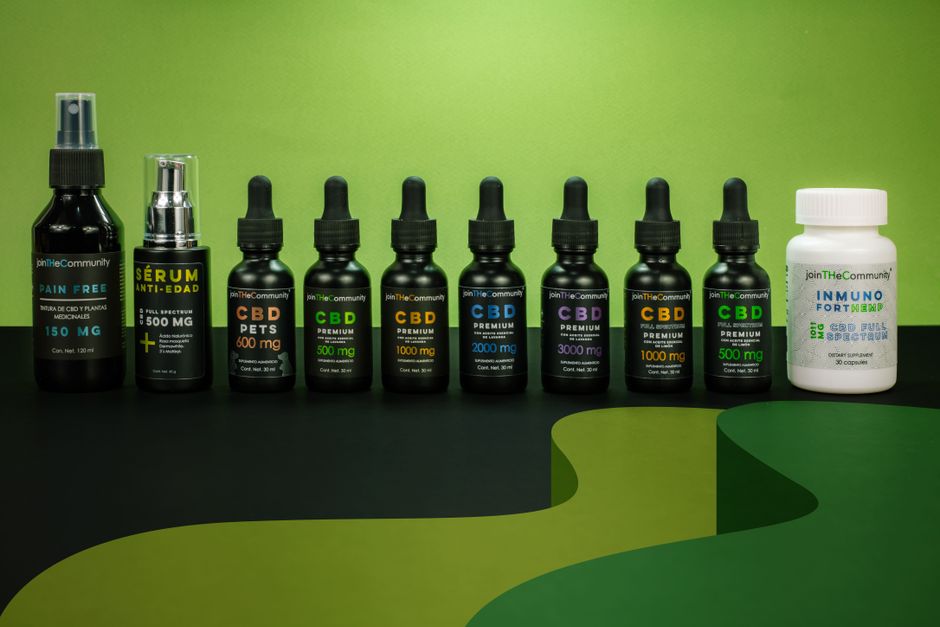
Full Spectrum vs Broad Spectrum vs Isolate: What They Mean for THC
Label claims like “full spectrum” can be confusing. Here’s the quick lowdown:
- Full Spectrum: Contains CBD plus all cannabinoids & terpenes from the hemp plant, including up to 0.3% THC. Broad Spectrum: Contains CBD plus other cannabinoids & terpenes, but THC has been removed. CBD Isolate: Pure CBD with no other cannabinoids or terpenes.
More cannabinoids can mean a more “entourage effect,” but also increases concerns if you want zero THC in your system (important for competitive athletes mindful of WADA banned substance rules).
Hemp Legality and the 0.3% THC Threshold
The 2018 Farm Bill legalized hemp-derived products in the US, defining hemp as cannabis with less than 0.3% THC by dry weight. This tiny number is a big deal because it dictates whether a product is federally legal or not.
Producers like Joy Organics rigorously test their gummies to ensure THC is under this limit, but always check their batch lab reports for transparency. Labels will sometimes say “non-detectable THC” or “THC-free” if the result is below the testing threshold.
Important to remember: since these limits are very low, even tiny inconsistencies in manufacturing can push THC levels over the limit — which can result in unwanted drug test failures or legal complications.

Understanding CBD Dosing: The Evidence Strength for Anxiety, Sleep, and Performance
The right mg per gummy serving depends heavily on what you want from CBD. Let’s review the current state of the evidence for some major claims.
CBD for Anxiety
This is where the evidence is strongest. Multiple placebo-controlled studies suggest that single doses ranging from 300mg to 600mg of oral CBD can reduce anxiety symptoms in stressful situations like public speaking.
But let’s be real: most gummies on the market range from 5 mg to 30 mg of CBD per piece — far below these therapeutic doses studied.
CBD for Sleep
Research on CBD and sleep is promising but less conclusive. Some studies have shown that doses between 40mg and 160mg may help improve sleep quality and reduce insomnia.
That means if you’re using a 10 mg gummy, you might need to take several to reach an effective dose — assuming the gummy’s CBD is fully bioavailable and consistent.
CBD for Athletic Performance and Recovery
The evidence here is pretty preliminary. CBD’s hemp 0.3% THC rule anti-inflammatory and analgesic effects might aid muscle recovery, but there’s no established dosing for performance enhancement yet.
In addition, athletes must be cautious about THC content due to WADA's regulations. Even though CBD itself isn’t banned, contamination with THC can cause positive drug tests.
Dosing Mismatch Between Studies and Gummies: What You’re Really Getting
Here’s a big problem: clinical studies usually use purified or pharmaceutical-grade CBD at doses far exceeding what’s typical for commercial gummies.
Use Case CBD Dose in Studies Common Gummy Dose per Piece Number of Gummies to Match Study Dose Anxiety Reduction 300-600 mg 10-25 mg 12-24 gummies Sleep Improvement 40-160 mg 10-25 mg 2-16 gummies General Wellness 5-20 mg (anecdotal) 5-25 mg 1 gummyClearly, most ready-to-eat gummies are intended as low-dose supplements rather than clinical treatments. If you want to use CBD at study-proven doses, gummies alone might mean taking dozens of pieces a day — not exactly practical or economical.
How to Read the "Front Label Total Mg" and Calculate Your Serving Size CBD
One of the most frequent labeling issues I’ve noticed in my years checking supplement batches: companies frequently list the total mg CBD per package instead of per gummy serving size on the front label.
This can be misleading if you don’t do the math. For example, a package might say “500 mg total CBD” but contain 20 gummies. That means:
500 mg ÷ 20 gummies = 25 mg per gummy (your actual dosing per serving) If you eat 1 gummy, you get 25 mg CBD, not 500 mg.Always flip to the Nutrition Facts or Supplement Facts panel to confirm how many milligrams of CBD are in each gummy. This serving size CBD number is what really matters.
Pro Tip: Check a brand’s batch-specific third-party lab report to verify that the mg per gummy indicated on the label matches the tested amount. Some companies like Joy Organics post these reports directly on the product page. This is far more reliable than trusting “may contain up to X mg” marketing claims.
Other Important Tips for Choosing The Right CBD Gummy Mg Per Serving
- Start Low, Go Slow: It’s wise to start with a lower mg per gummy and gradually increase your dose to find your personal sweet spot. Check for Additives: Gummies often contain added sugars, artificial colors, or preservatives. If you’re health-conscious, opt for cleaner ingredient lists. Look For Hemp-Derived CBD: Certified hemp derivatives ensure legality and lower THC risk. Beware of Drug Interactions: CBD can influence how your liver metabolizes certain prescription meds; always consult your doctor. Be Wary of "High Dose" Marketing: Some companies claim miracle effects at low doses without evidence. Consider Your Purpose: If targeting anxiety or serious sleep issues, speak with a healthcare provider about appropriate doses.
Summary: Finding Your Perfect CBD Gummy Dose
To find the right CBD gummy mg per serving, keep these points in mind:
Understand that CBD is not THC — ensure THC stays below 0.3% to remain legal and non-intoxicating. Know that typical gummies have low mg per gummy relative to clinical doses used for anxiety and sleep. Calculate mg per gummy by dividing the total mg on the front label by the number of gummies per package. Check batch lab reports for accurate dosing and minimal THC content. Adjust your serving size based on your goals and tolerance — often starting low is best. Watch out for drug interactions and abide by regulatory guidance like the FDA’s current stance and WADA rules if you’re an athlete.Brands like Joy Organics are good examples of transparency and quality control, making it easier for consumers to make informed choices.
Remember, when it comes to CBD gummies, dosing isn’t one-size-fits-all. Knowing how to interpret mg per gummy and serving size CBD lets you tailor your experience while avoiding wasted money and potential risks.
Keep questioning https://bizzmarkblog.com/what-should-i-email-my-esports-org-about-cbd/ label claims, inspect lab tests, and most importantly, listen to your body.