For 11 years, I sat on the "inside" of NHS-facing healthtech. I watched, project-managed, and sometimes fought against the clunky, paper-heavy workflows that defined secondary care in the UK. I’ve rolled out patient portals, untangled the mess of telehealth integration, and sat in rooms where clinicians agonized over whether a digital form would actually help—or just create another layer of administrative burden.
Today, the landscape has shifted. We have moved from the era of "fax-machine-as-the-standard" to sleek, mobile-first platforms. Patients are no longer just passive recipients of care; they are digital consumers. Your expectations for your healthcare experience are now being shaped by your banking app, your Netflix queue, and your Amazon Prime delivery speed. You expect transparency, you expect speed, and you expect to be able to compare healthcare providers as easily as you compare hotel rooms.
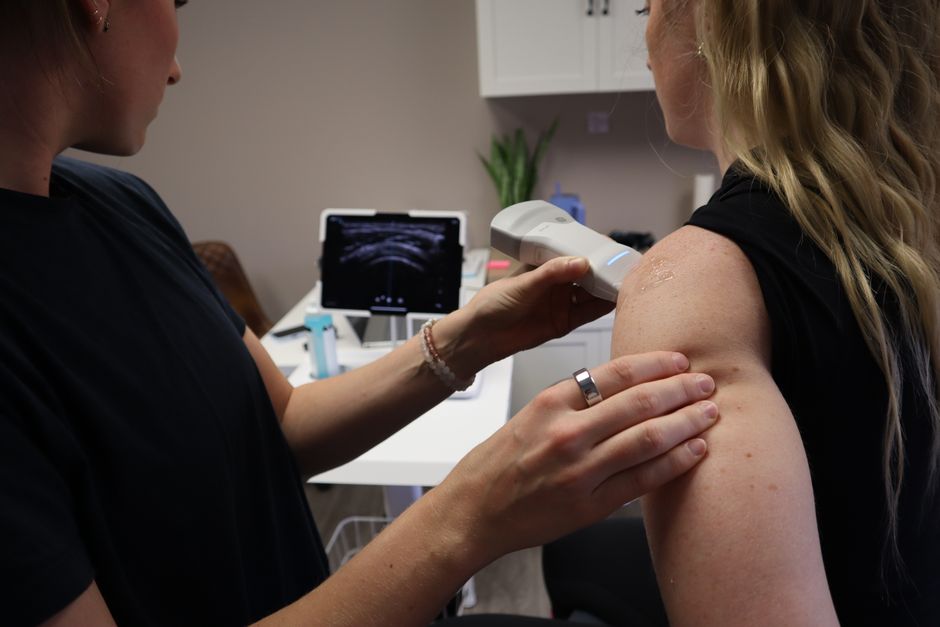

But here is the danger: Healthcare is not an e-commerce transaction. When a company optimizes for "frictionless" user experience, they sometimes sacrifice the clinical rigor that keeps you safe. Here is how to navigate the digital clinic landscape without falling for the marketing gloss.
The Patient Expectation Shift: Why We Compare
In the past, you went to the specialist your GP referred you to, and you waited. The "friction" (travel, physical files, months of waiting lists) was treated as a feature, not a bug. Today, the rise of private digital clinics has changed the power dynamic. Patients are performing deep research—looking for virtual consultations, quick online appointment booking, and, crucially, a clear sense of who is actually providing the care.
However, digital clinics often hide behind a facade of modern design. While they might boast about "AI-driven triage," the reality is that many of these platforms are just digital wrappers around legacy administrative processes. To truly compare healthcare providers effectively, you have to look past the beautiful UI and start auditing the backend logic.
The Pricing Trap: A Critical Red Flag
I have lost count of how many clinics I have audited where the "Pricing" page is non-existent. Instead, you are met with a "Contact us for a bespoke quote" button. In the world of healthcare, this is a massive red flag. If a clinic cannot provide a clear, transparent fee structure for a standard specialist consultation or a routine procedure, it usually means one of two things: their pricing model is inflated based on what they think you can afford, or their internal processes are too chaotic to standardize their costs.
When conducting your patient research for specialist care, transparency isn’t just about money; it’s about competence. If a clinic isn't willing to put their prices on the table, what else are they hiding? Ask yourself: Does this clinic treat me like a patient, or like a lead to be nurtured?
What to Look for in a Pricing Table
When you evaluate a clinic's website, look for a structure similar to this. If they cannot provide this level of detail upfront, pause your booking.
Service Component Estimated Cost What is Included? Initial Consultation £XXX Clinician time, digital record summary Follow-up £XXX Progress review, medication adjustment Diagnostic Imaging £XXX Access to report, radiologist interpretationHow to Spot the "Digital Mirage"
As someone who spent a decade integrating these systems, I can spot a "digital-first" pretender a mile away. There are specific markers that tell you whether a clinic has actually invested in the patient experience or just in a clever marketing agency.
1. The "Hidden Clinician" Strategy
Beware of platforms that focus entirely on the "brand" rather than the practitioners. If you are browsing a site and it takes more than three clicks to find the profiles, qualifications, and GMC/regulatory registration numbers of the actual clinicians, run. Digital clinics that hide their staff behind slick graphics or generic "expert" headings are often outsourcing their clinical governance to whoever is cheapest at the time.
2. The "Fast Approval" Delusion
Any marketing copy that promises "fast approvals" or "instant specialist access" without explaining the clinical safety check is setting a dangerous precedent. High-quality healthcare requires clinical oversight. If you see vague claims about "AI speed," question it. A good platform uses tech to gather information efficiently, but it never skips the human review. If they don't explicitly explain how a clinician signs off on your case, they are cutting corners.
3. The Repetitive Form Nightmare
I’ve seen clinics ask for the same clinical history four different times in one patient journey—in the initial questionnaire, again in the booking form, and then again via an email attachment. This is https://bizzmarkblog.com/what-is-a-secure-patient-platform-a-practical-guide-to-digital-healthcare/ a sign of poor tech integration. It suggests that their internal databases aren't communicating with each other, which increases the risk of human error during your actual consultation.
My Shortlist: Questions to Ask Before You Book
Before you commit to a virtual consultation or book a specialist appointment, I recommend keeping a short, punchy list of questions. Copy and paste these into their contact form or chat bubble. The quality of the answer you receive—and how fast you get it—will tell you everything you need to know about the clinic’s operational maturity.
- "Can you provide a one-page summary of your clinical governance structure?" (If they don't know what you mean, they are not regulated to the standard you deserve.) "Is my prescription and management plan handled on a single screen interface during my consultation?" (This checks if they are using integrated tech or juggling three different legacy windows.) "What is the average time between a virtual consultation and the delivery of a summary report to my GP?" (A good clinic prioritizes continuity of care.) "Where is my patient data hosted, and who has access to it?" (Privacy is the bedrock of digital health.)
The "One-Screen" Prescription Rule
Here is one of my personal quirks from my time in NHS implementation: I always check if a clinic explains their prescription workflow in one simple screen without jargon. If a clinic makes you jump through five different pages just to understand how you get your meds, they are hiding the complexity of their supply chain. You should be able to see: Assessment → Clinical Review → Prescription → Pharmacy Dispatch in a single, clear, jargon-free visual. If they can’t explain it simply, they haven’t designed it for you; they’ve designed it for their own internal chaos.
Conclusion: Stay Skeptical, Stay Empowered
The move to digital, virtual-first specialist care is a net positive. It reduces the friction of travel, lowers the barrier to getting a second opinion, and allows for better documentation of your symptoms over time. But the tools are only as good as the oversight behind them.
When you start your patient research, treat the website like a window into the clinic’s soul. If the site is cluttered, if the pricing is opaque, and if the clinicians are hidden behind stock photos, it is a reflection of how they will treat your wearable tech for medical monitoring clinical data and your care. You are not just buying a consultation; you are buying a partnership in your health. Demand transparency, look for integrated workflows, and never—ever—settle for "fast" when you deserve "accurate."
The next time you find yourself comparing providers, remember: the best clinics are the ones that are proud of their process. They have nothing to hide, and they’ll make it incredibly easy for you to see exactly why they’re the right choice.