The modern wellness market has moved far beyond the dusty aisles of local health food stores. Today, we are flooded with “wellness tech” that promises to optimize your sleep, adaptogens that claim to rewrite your stress response, and wearables that claim to track patient focused wellness metabolic health in real-time. If you find yourself staring at a product page, scrolling through five-star reviews that look suspiciously similar to one-star reviews that sound like personal vendettas, you are not alone.
Here's a story that illustrates this perfectly: made a mistake that cost them thousands.. We are currently living through the “Paradox of Choice” in the wellness industry. With the market projected to grow exponentially, the consumer is left as the lead investigator in a landscape where evidence is often obscured by marketing fluff. As a health writer who has spent nearly a decade parsing clinical trials and interviewing practitioners, I’ve learned one truth: certainty is usually the first sign of a lack of evidence.
The Wellness Paradox: Why Reviews Feel Broken
Before we dive into how to research, we must acknowledge why your current process—scrolling through online reviews—is failing you. Review reliability has plummeted due to three major factors:
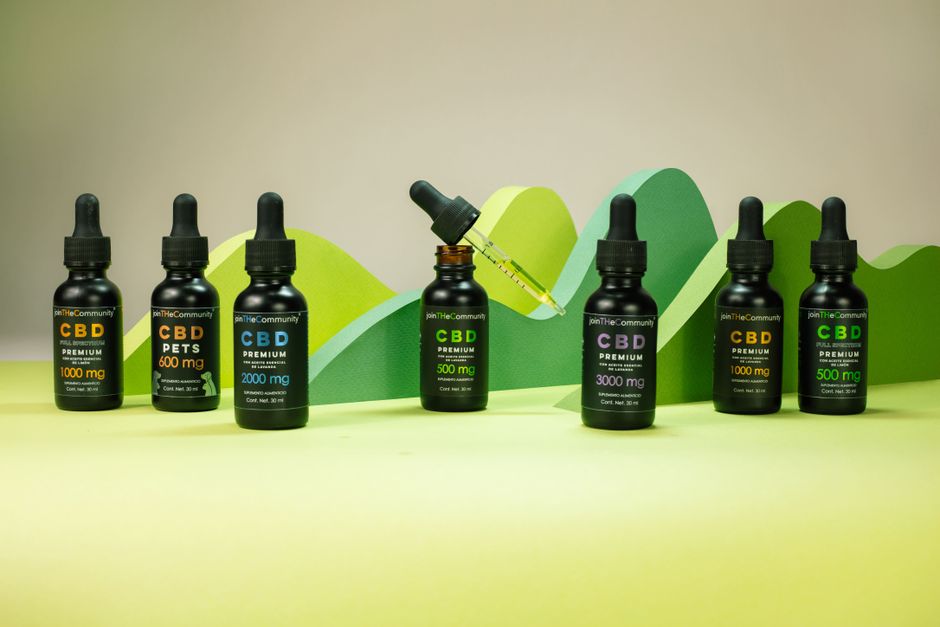
- Incentivized Positivity: Many “verified” reviews are generated by brands offering free products in exchange for positive feedback. The Echo Chamber Effect: Social media algorithms prioritize engagement. If you are already looking for “hormone balancing” content, your feed will serve you products that reinforce that specific, often pseudoscientific, narrative. Subjective Biases: Wellness is inherently physiological. What “works” for a 22-year-old influencer training for a triathlon will not produce the same “results” for a 55-year-old managing work-related stress.
When you read a review, ask yourself: Is this a reflection of physiological efficacy, or is this a reflection of a placebo effect reinforced by a charismatic creator?
Beyond the Hype: Building Your Research Toolkit
To move from a passive consumer to an informed investigator, you need to sharpen your ingredient literacy and scrutinize the company’s transparency. Here is how you can effectively research your next purchase.
1. Ingredient Literacy: Decoding the Label
If you cannot find a clear list of ingredients with specific milligram (mg) dosages, walk away. A common tactic in the wellness space is the use of a "Proprietary Blend." This allows companies to hide the exact amounts of ingredients, often using “fairy dusting”—including a tiny, ineffective amount of a potent ingredient just so they can list it on the label.
What this looks like in a clinic visit: If you show your doctor a supplement, they are looking for the standardized extract. A label that says "100mg Ashwagandha" is less useful than "100mg Ashwagandha (standardized to 5% withanolides)." The latter tells the clinician exactly what therapeutic component you are consuming.
2. The Transparency Checklist: Sourcing and Testing
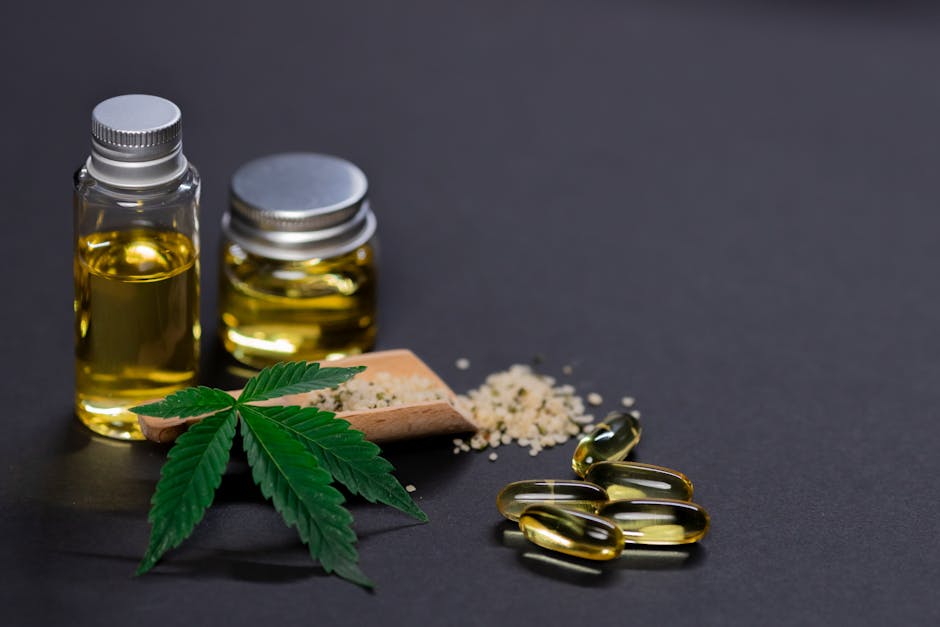
In an unregulated or loosely regulated market, transparency is your best safety net. Do not take a company’s word for it. Exactly.. Look for:
- Third-Party Testing: Brands should provide a Certificate of Analysis (CoA) from an independent laboratory. This confirms the product contains what the label claims and is free from heavy metals, mold, or pesticides. Manufacturing Standards: Look for "GMP Certified" (Good Manufacturing Practices). This ensures the facility meets basic safety and sanitation guidelines.
3. Utilizing Online Communities Wisely
Online communities—such as subreddits focused on evidence-based fitness or nutrition—can be valuable, but they require a filter. Seek out communities that prioritize PubMed citations over personal anecdotes. If a community is centered around a specific influencer, the bias will be high. If it is centered around a specific goal (e.g., “improving sleep architecture”), the quality of information is usually higher.
The “Vague Phrase” Avoidance List
As part of my ongoing practice of cutting through the noise, I keep a running list of marketing terms that should trigger your skepticism. When you see these on a website or social media ad, take a step back and demand evidence:
Avoid This Phrase Why It’s a Red Flag "Detoxifying/Detox" The liver and kidneys handle detoxification. Unless a product is specifically for medical liver support, this is marketing fiction. "Optimizes/Bio-hacking" Vague and unscientific. It implies a "hack" exists for complex human physiology. "All-natural" Arsenic is all-natural. This term has no regulated meaning and provides zero information on safety. "Clinically shown to boost..." Check the fine print. Usually, this refers to a study on a single ingredient in a petri dish, not the final product in humans. " proprietary blend" Used to mask low-dosage, inexpensive ingredients.The Clinic Test: How to Talk to Your Doctor
The most reliable review you will ever find is a conversation with a healthcare provider who knows your medical history. When you bring a product to a clinic visit, don't ask, "Is this good?" That question is too broad.
Instead, ask:
"Based on my current bloodwork and medication list, are there any potential interactions with these specific ingredients?" "Is there a therapeutic dosage for [Ingredient X] that I should be looking for on the label?" "What measurable outcomes (blood markers, symptoms) should I look for to determine if this is actually doing anything for me?" trustworthy wellness brandsIf a product is truly "wellness-focused," it should be able to withstand the scrutiny of a clinical conversation. If the company's marketing relies entirely on "feeling" rather than biological data, it is time to reconsider the purchase.
Conclusion: Empowerment Through Skepticism
Choosing a wellness product in 2024 requires a shift in mindset. It isn't about finding the "best" product based on a star rating; it’s about aligning your specific health goals with verified, safe, and transparent sourcing.
We need to stop looking at wellness products as "miracles in a bottle" and start viewing them as what they are: additions to a baseline of sleep, nutrition, and movement. If you find yourself feeling pressured by an influencer’s certainty, remember that their primary goal is engagement—yours should be your own health and safety. Ignore the "miracle" claims, read the ingredient list, verify the third-party testing, and—whenever in doubt—consult with a professional who is more interested in your health outcomes than your click-through rate.
Disclaimer: This article is for informational purposes and does not constitute medical advice. Always consult with a licensed healthcare provider before beginning any new supplement or wellness regimen, especially if you are currently taking prescription medication.