In the ever-evolving landscape of MMA regulations and athlete recovery protocols, one question keeps popping up as we hit 2026: Does the UFC still test for THC? With cannabis products gaining wider acceptance worldwide and their purported benefits for pain management and recovery touted by many fighters, it’s essential to unpack the UFC’s stance on cannabinoids alongside practical considerations like training volume, recovery, and sleep debt. In this post, we’ll cut through the noise and lean back on hard facts, whiteboard planning, and batch-specific lab reports (COA style documentation) to determine what’s what.
UFC Anti-Doping Policy & THC: What’s the Current State in 2026?
You know what's funny? the ufc operates under the umbrella of the united states anti-doping agency (usada) in partnership with various athletic commissions. The UFC anti-doping policy has been known for its strict testing regime, including tests for cannabinoids, primarily THC metabolites such as carboxy-THC.
What Is UFC Carboxy THC Testing?
“Carboxy THC” (11-nor-9-carboxy-Δ9-tetrahydrocannabinol) is the inactive metabolite of THC that lingers in the body well after psychoactive effects dissipate. Testing for carboxy THC is the standard to detect cannabis use because it remains detectable in urine for days or weeks depending on usage patterns, metabolism, and other factors.
Substance Purpose Testing Method Detection Window THC (Delta-9-tetrahydrocannabinol) Psychoactive component of cannabis Urine, Blood Hours to days Carboxy THC Inactive metabolite used to indicate prior cannabis use Urine Days to weeksAs of 2026, the UFC does still test for carboxy THC in their anti-doping program, but the allowable thresholds and enforcement policies have moderated over time. This nuanced stance reflects the shift in societal acceptance of cannabinoids and emerging research into therapeutic use.

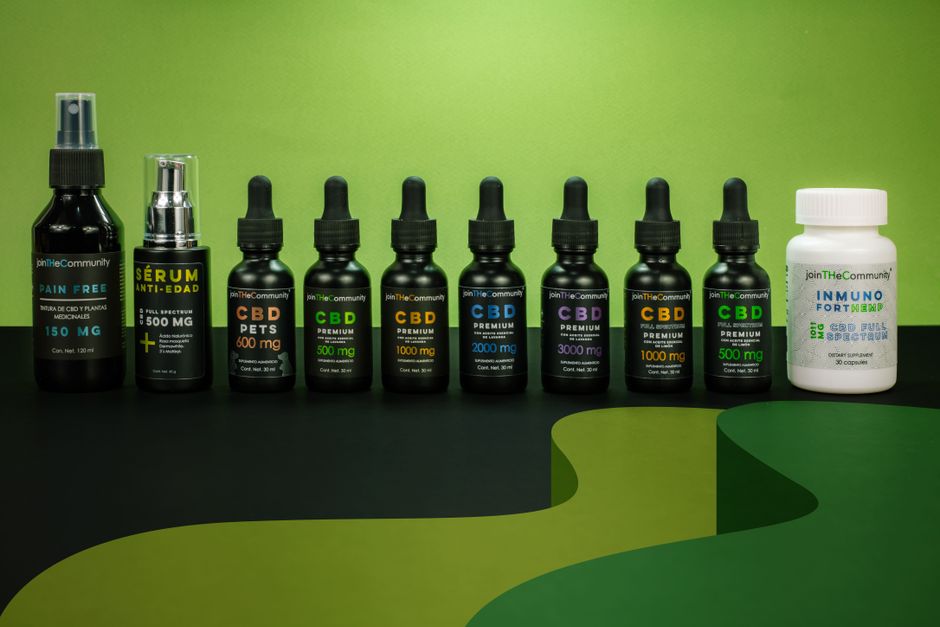
Current UFC Anti-Doping Cannabinoids Rules
- USADA and UFC maintain limits for carboxy THC levels; detection above a threshold may result in sanctions. Thresholds account for out-of-competition detection to minimize punishment for legal, therapeutic, or incidental exposure. Fighters are advised to avoid cannabinoids during official USADA testing windows, but exact penalties have softened compared to early 2020s. Fighters using hemp-derived CBD products should ensure batch-specific lab reports (Certificate of Analysis - COA) to prevent inadvertent positives.
MMA Training Volume vs Recovery Capacity: The Role of Sleep and Planning
Whether you’re a fighter or a coach, you already know mymmanews.com the brutal truth: training hard is not the same as training smart. One of my favorite tools for tracking this is the gym’s whiteboard planning — where sparring days, deload phases, and conditioning sessions are clearly laid out week-by-week.
Why Whiteboard Planning Matters
When I run programming, the whiteboard is essential because it forces us to plan sparring days and recovery days carefully — no vague “sometime this week” nonsense. MMA camps usually breakdown like this:
Week One: Intensive skill drills and high-volume conditioning. Week Two: Increased sparring intensity and volume. Week Three: Peak conditioning, tactical sparring, and strength work. Week Four: Signs of fatigue and the all-important deload.Without this explicit planning, trainees tend to pile session onto session, ignoring the fact that recovery capacity—especially sleep—is often the limiting factor.
Sleep as Adaptation and Motor Learning
Too many coaches overlook what happens after the sessions, especially at night. What happens at 10:30 pm after a hard sparring day? That’s when the body consolidates motor learning and physical recovery through key REM and deep sleep cycles.
- Without quality sleep, the neuromuscular adaptations from months of drilling get wiped out. Sleep debt compounding into week four causes poor reaction times, increased injury risk, and mental fog. This is why some camps fail mysteriously—strength is there, but the fighter “feels burnt out” and sloppy.
Week Four Fatigue and Sleep Debt: When Deloads Save the Camp
Week four represents the “crisis” point in a fight camp. This is where fatigue accumulates so hard it threatens to erase gains—unless handled correctly.
Symptoms of Week Four Fatigue
- Unusually poor sleep quality despite feeling exhausted. Elevated resting heart rate and mood disturbances. Loss of sharpness in technical drills and sparring timing. Cravings for stimulants or other sleep-disruptive substances.
Where Do Deloads Fit In?
The deload week isn’t a “weakness”—it’s a tactical decision. It’s usually scheduled just before this crash phase to mitigate the worst effects of sleep debt and help reset the nervous system. This approach does wonders when combined with:
- Eliminating cannabidiol or THC products late in the camp to avoid affecting sleep architecture. Consistent sleep hygiene protocols, including no screens 30 minutes before bed and room temperature control. Using batch-specific lab reports (COAs) if CBD products are used, reducing risk of unintended THC exposure affecting both recovery and testing.
Why the UFC’s THC Rules Matter to Your Camp
Fighters I corner or coach often ask about cannabinoids for pain or sleep aid, especially since some swear by them outside of competition. I remember a project where thought they could save money but ended up paying more.. Here’s the honest rundown:. Exactly.
- Testing Positive Risks: Due to detectable carboxy THC thresholds, any cannabinoid use too close to fight week risks a positive sample and potentially invalidates your fight. Sleep Impact: THC and some cannabinoid products alter natural sleep cycles — REM suppression is real and can sabotage motor learning. Unregulated Products: Without verified batch-specific COA documentation, you risk ingesting more THC than advertised.
It’s one thing to use cannabinoids in the offseason for recovery, but fight week is a different story entirely. This is why we always track cannabinoid use carefully in whiteboard camp planning and lean hard on COA testing for any supplements or products.
Summary: What Fighters Need to Know About UFC Carboxy THC Testing in 2026
Aspect Key Takeaway Testing UFC under USADA still tests for carboxy THC metabolite; threshold-based enforcement remains in place. Recovery Sleep is critical. THC use close to competition can disrupt sleep cycles, impeding motor learning and recovery. Planning Whiteboard camp planning with hard sparring/deload schedules helps avoid overtraining and sleep debt. Supplement Safety Only use cannabinoid products with trusted batch-specific COA reports to avoid accidental positives. Deload Timing Deload weeks placed before week four crashes minimize fatigue and maximize adaptation.Final Thoughts
THC testing remains a practical reality for fighters in UFC’s anti-doping program in 2026. However, smart camp programming emphasizing proper sleep, clear planning on whiteboards, and cautious use of cannabinoids supported by clean lab documentation can help fighters navigate these choppy waters. Remember: training smarter beats training harder, and nothing beats good sleep for actual adaptation — no capsule or “quick fix” can replace that.
So as you count sparring sessions on your whiteboard and review batch-specific lab reports for your supplements, always ask yourself: what happens at 10:30 pm after sparring? Because that’s when the real fight for adaptation starts.
```