In my eleven years working in hematology and transplant units, I have seen a fundamental shift in how we treat refractory malignancies. We have moved from broad-spectrum chemotherapy to the targeted precision of Chimeric Antigen Receptor (CAR) T-cell therapy. However, the excitement surrounding this "living drug" often leads to a dangerous oversimplification: the belief that all T-cell products are created equal.
In clinical practice, the "quality" of the T-cell product is arguably the single most important predictor of whether a patient experiences a durable remission or a relapse. If we are to move forward in this field, we must stop viewing T-cells as a commodity and start viewing them as a biological product with inherent variables that emedicodiary.com dictate clinical success.
The Fundamental Distinction: Cord Blood vs. Cord Tissue
Before we dive into the immunology of CAR T-cells, we must address a persistent point of confusion in both public discourse and clinical research. We often hear the generic term "stem cells" used as if they are a single, monolithic biological entity. In the context of umbilical cord-derived products, this is medically inaccurate and clinically misleading.
For those of us working in transplant biology, we distinguish between two distinct biological resources from the umbilical cord:
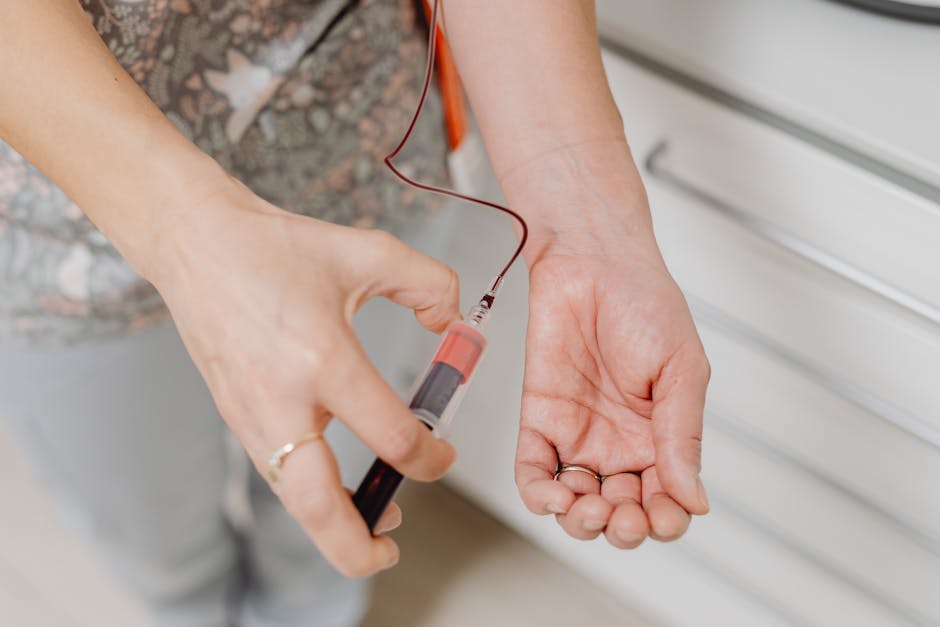
- Cord Blood (Hematopoietic Stem Cells - HSCs): These are the blood-forming cells. They have been the gold standard in transplantation for decades and are currently used to treat over 80 distinct disorders, including leukemias, lymphomas, and various immunodeficiencies. Their high proliferation rate and relative "naivety" compared to adult bone marrow make them uniquely valuable. Cord Tissue (Mesenchymal Stromal Cells - MSCs): These are structural, connective tissue-forming cells. They are not used to "rebuild" the blood system in the same way HSCs are; instead, they are prized for their immunomodulatory properties—their ability to dampen inflammation and influence the microenvironment.
If you are looking at literature regarding cell therapy, you must ask: Is this study discussing the regenerative potential of HSCs for blood reconstitution, or the immunomodulatory potential of MSCs for mitigating side effects like Graft-versus-Host Disease (GvHD)? Conflating the two helps nobody and slows the translation of actual clinical evidence.
Defining T-Cell Quality in CAR T Efficacy
When we manufacture a CAR T product, we are essentially reprogramming a patient's—or a donor’s—immune system to recognize a specific tumor antigen. Recent research, including pivotal studies published in Nature Medicine, has shed light on what actually dictates the "quality" of these cells.
Quality, in this context, is not about quantity (the absolute number of cells infused). It is about fitness. A high-quality CAR T product is one that maintains a "memory-like" phenotype. If the starting T-cells are too "exhausted" or aged—which can happen if a patient has received extensive prior lines of chemotherapy—the resulting CAR T-cells will likely fail to persist in the body long enough to prevent disease relapse.
Predictors of Efficacy
In clinical practice, we evaluate several benchmarks to gauge the quality of a manufactured T-cell product:
Indicator Why it matters in practice CD4:CD8 Ratio An optimal balance is essential for both the "helper" function and the "cytotoxic" killing power of the infused product. Exhaustion Markers (PD-1, TIM-3, LAG-3) High levels of these markers suggest the cells are already "burned out" before they even reach the tumor site. Memory Phenotype (Tcm/Tscm) Central memory T-cells (Tcm) have a longer lifespan and better proliferative capacity, which is essential for long-term surveillance against the cancer.Why Cord Blood is a Therapeutic Resource
Given the issues with T-cell "exhaustion" in patients who have been heavily treated, there is a growing interest in using "off-the-shelf" allogeneic T-cells derived from umbilical cord blood. The advantage here is twofold.
First, cord blood T-cells are naturally younger and less "experienced" than those found in an adult. They have not been exposed to decades of viral infections or inflammatory stressors. Second, the ability to pre-screen cord blood units for optimal biological characteristics allows us to manufacture a more standardized product. For patients who lack a suitable autologous (their own) T-cell source, cord blood provides a viable, high-quality starting material.
However, I must emphasize a note of caution: This is not a magic bullet. Allogeneic products come with their own set of risks, most notably the risk of GvHD, which researchers are currently trying to mitigate using gene-editing techniques like CRISPR. We are not yet at a stage where these are "cures" for everyone; we are at the stage where they are tools that offer a second chance for patients whose own T-cells have failed them.
What This Means for Current Practice
If you are a patient or a caregiver, it is important to manage expectations regarding "innovative" cell therapies. We do not currently have enough data to suggest that one specific "source" of stem cells is universally superior for every patient.
What has changed in practice is our ability to monitor these products. We are increasingly looking at the persistence of CAR T-cells in the peripheral blood as a surrogate marker for long-term efficacy. If we see a rapid decline in CAR T-cell numbers, we know that the "quality" of the initial product or the patient’s own tumor microenvironment is working against us.
Ultimately, the field is moving away from the "one-size-fits-all" approach. We are beginning to see the emergence of:
Donor-Specific Selection: Using younger, healthier donor T-cells for patients whose own cells are damaged. In-Process Quality Control: Testing the fitness of cells during the manufacturing phase rather than waiting to see if they work post-infusion. Combinatorial Strategies: Using MSCs (the immunomodulatory ones, not the blood-formers) to manage the inflammation caused by CAR T-cell expansion, thereby improving the patient's overall tolerance to the therapy.
The Bottom Line
Does the quality of T-cells matter? It matters profoundly. It is the difference between a transient response and a sustained molecular remission. We must move past the marketing language that treats "stem cells" as a miracle cure-all and focus on the hard, granular science of T-cell phenotype, metabolic fitness, and persistence.
We have 80+ transplant indications where we have refined the use of cord blood over the last few decades. We are now applying that same rigor to CAR T-cell therapy. The progress is real, but it is built on incremental biological improvements, not miraculous leaps. As we continue to refine how we collect, process, and manufacture these cells, the focus must remain on providing a consistent, high-quality product that gives the patient's immune system the best possible chance to do its job.