Ask yourself this: for nearly a decade, i sat in the green rooms of london’s west end and the edit suites of soho, interviewing creatives who were burning the candle at both ends. The industry standard for "routine" was once a paradoxical mix of caffeine-fueled sprints and complete physical exhaustion. Back then, the conversation around burnout was hushed, treated like a personal failing rather than a systemic issue. Today, the conversation has shifted. I’ve watched as medical cannabis—a topic once relegated to hushed whispers behind film set trailers—has become a legitimate, regulated component of care for people whose livelihoods demand high cognitive function but punish their nervous systems.. Pretty simple.
When we talk about "routine adherence" in the context of ADHD, anxiety, or chronic pain, we aren't talking about "wellness hacks." We are talking about stabilizing the biological machinery that allows a creative professional to sit down, focus, and actually deliver. This is prescribed, not a lifestyle accessory.
The Shift: From Counterculture to Clinical Care
The stigma surrounding cannabis in the UK is finally fracturing, particularly within creative circles. For years, the narrative was dominated by "stoner" stereotypes—lazy, disorganized, and unmotivated. But reality looks very different. Patients I speak to today are often highly disciplined individuals trying to manage symptoms that make standard workflows impossible. They aren't looking for a "high"; they are looking for a baseline.
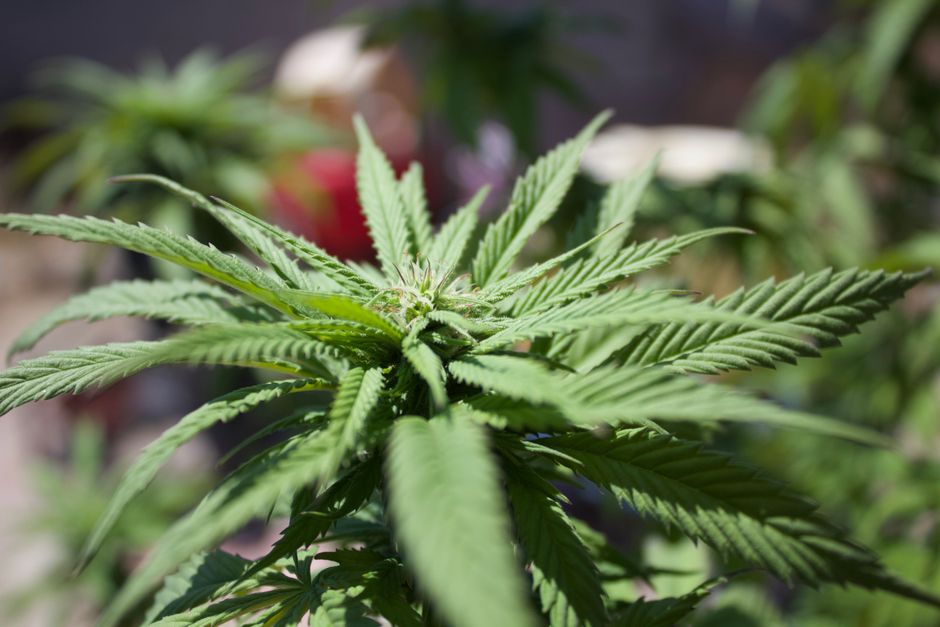

This is where the distinction between "recreational" and "medical" is non-negotiable. Medical cannabis is handled through a structured path: specialist clinics in the UK provide a consultation, a formal diagnosis, and a prescription. It is an extension of modern healthcare, not a trip to the local dispensary. If you are looking for "vibes" or "creative fuel" in a disposable vape pen you bought at a festival, you are looking in the wrong place. Medical-grade cannabis is about clinical consistency and symptom management.
Cannabis Oils: The Baseline for the Unpredictable
For creatives, the biggest enemy of routine is the "crash." Whether it’s the physical fallout of 14-hour shooting days or the anxiety spikes that come with looming deadlines, consistency is the first casualty of a high-pressure career.
Cannabis oils provide a distinct advantage here: consistent dosing. Unlike flower, which requires active administration (vaporization), oils offer a long-acting, systemic approach. Think of it as your biological anchor. When prescribed correctly by a clinician, oils can provide a steady release of cannabinoids into the system, helping to manage baseline anxiety or nerve-related pain throughout the working day without the rapid onset-offset cycle of inhalation.
The Math of Dosing for Odd Schedules
Creatives rarely operate on a 9-to-5. When your schedule changes weekly—or daily—your medication routine must be adaptable yet rigid. A clinician at a leading facility like Releaf, the UK’s largest medical cannabis clinic, will often emphasize "titration." This is the process of finding the absolute https://www.themovieblog.com/2026/05/breaking-taboos-how-the-uks-creative-community-views-cannabis-products/ minimum dose that provides the maximum therapeutic effect.
- The Morning Baseline: A low-THC or balanced oil might be utilized to manage baseline tension before the day begins. The Mid-day Stability: Maintaining that steady state allows for the "flow state" that creatives crave, without the interference of cognitive impairment. The Evening Wind-down: A higher-THC or indica-leaning oil is sometimes prescribed to signal to the nervous system that the work day is finished, aiding in restorative sleep—which is, effectively, the bedrock of any productive routine.
The Role of Vaporization in the Medical Stack
I often hear confusion about the use of "flower" in a medical context. Let’s be clear: this is not about "smoking." In a clinical, medical setting, flower is used exclusively with vaporization devices. These are precision-engineered medical tools designed to heat the material at specific temperatures, ensuring that the patient receives the exact terpene and cannabinoid profile required by their prescription.
Unlike smoking, which is chaotic and physically damaging, medical vaporization is an act of medical administration. It acts as the "break-glass-in-case-of-emergency" tool. If you are experiencing a breakthrough of symptoms—a panic spike, a sudden onset of inflammatory pain—vaporization provides near-instant relief. Used in tandem with a steady cannabis oil routine, it provides a comprehensive 24-hour management strategy.
Comparison: Understanding the Chemistry
It is vital to understand what is entering your body. As noted in educational references like Healthline, the interplay between CBD and THC is where the therapeutic magic happens. The following table illustrates why your clinician might prescribe a specific ratio for your needs:
Component Primary Function in Routine Clinical Consideration CBD (Cannabidiol) Anti-inflammatory, non-intoxicating, anxiety reduction. Often used as the "base" to stabilize mood and body. THC (Tetrahydrocannabinol) Analgesic, sleep aid, symptom breakthrough. Must be titrated carefully to avoid impairment; critical for specific pain profiles. Terpenes The "scent profile" that dictates the therapeutic effect. Crucial for tailoring the medication to "daytime focus" vs. "evening recovery."A Reality Check: Avoiding the Self-Medication Trap
Here is where I get cynical. Do not, under any circumstances, attempt to "self-dose" based on what you read on forums or hear from a friend who claims a specific strain "fixed their life." That is marketing fluff masquerading as medical advice.
The beauty of the current UK medical cannabis system is the safety net provided by specialist clinics. If you are struggling with your routine, you need a clinician to look at your medical history, your career demands, and your biological reaction to cannabinoids. They are the only ones qualified to tell you if a specific cannabis oil is the right intervention or if you are simply chasing a temporary fix for a deeper issue.
Furthermore, stop calling it a "wellness elixir." It is a medication. It has side effects, it interacts with other prescriptions, and it requires clinical supervision. Treating it as a lifestyle trend is exactly what gives legitimate patients a hard time at work or with family. If you approach it as a serious clinical tool, you treat your body with the respect it deserves.
Final Thoughts for the Overworked Professional
Does cannabis oil help people stick to a structured routine? Yes, but only if you view the oil as part of a larger, systemic management strategy. It isn't a silver bullet. If your sleep hygiene is non-existent, if your diet is solely composed of craft service snacks, and if you are ignoring signs of genuine burnout, no amount of cannabinoid therapy will magically fix your productivity.
However, when used correctly—within a clinical framework, via reputable platforms like Releaf, and with a focus on consistent dosing—it can provide the biological stability necessary to build the life and career you want. Stop looking for a shortcut. Look for a clinical partner. Your routine, and your nervous system, will thank you for it.