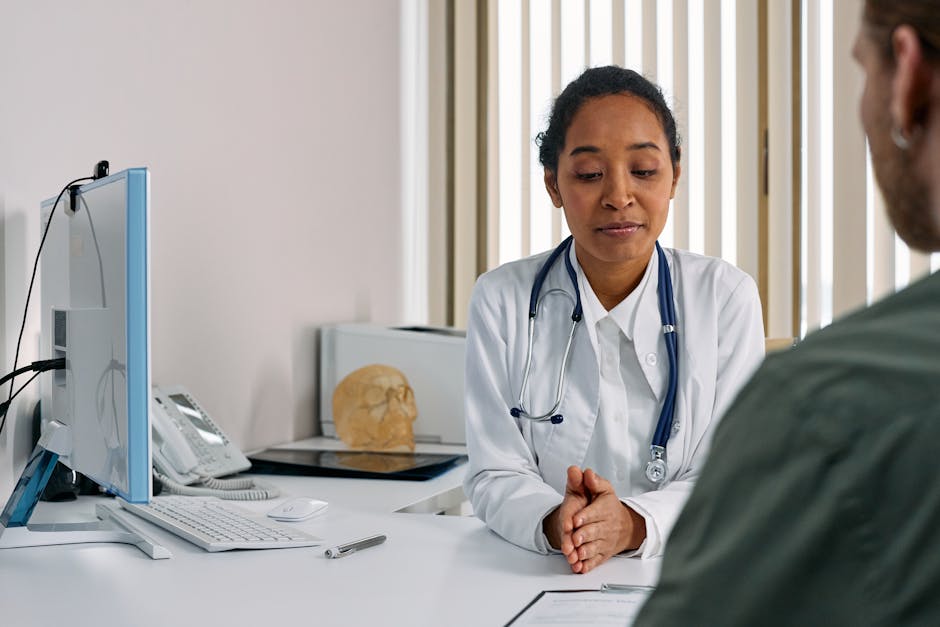
For most patients, the clinical encounter is a high-pressure environment. You have fifteen minutes to discuss symptoms, receive a diagnosis, and commit a complex treatment plan to memory. By the time the patient reaches their car, a significant portion of that information has often faded. This phenomenon is a well-documented hurdle in healthcare, leading to poor adherence to medication, confusion about follow-up steps, and avoidable anxiety.
The challenge for clinics is no longer just about the quality of care provided during an appointment, but how they sustain that care between visits. When we talk about ongoing patient education—the practice of providing consistent, high-quality clinical information to patients throughout their healing journey—we are talking about shifting from a passive model of "telling" to an active lyricsgoo.com model of empowerment.
The Problem with "Search Engine Medicine"
When patients leave your office without adequate support materials, they inevitably turn to search engines. While search engines provide a massive volume of data, they lack clinical context. A patient searching for "stomach pain" will find everything from harmless indigestion to severe pathologies, often leading to unnecessary alarm or, conversely, dangerous dismissal of symptoms.
Clinics must view themselves as the curator of information for their patients. Instead of allowing patients to navigate the unregulated landscape of the internet, clinics should provide a verified resource library—a centralized digital collection of clinic-approved articles, diagrams, and videos that align directly with the treatments prescribed during the visit.
Leveraging the Patient Portal for Continuity
A patient portal is a secure, encrypted website that gives patients 24-hour access to their personal health information. These portals, often integrated into Electronic Health Records (EHR) platforms like Epic’s MyChart or Cerner’s HealtheLife, are the cornerstone of digital communication between visits.
However, many clinics treat the portal as nothing more than a billing or scheduling tool. To improve patient outcomes, you must use it as a teaching platform. Here is how you can transform your portal usage:
- Automated Education Triggers: Configure your EHR to automatically push specific educational modules to a patient’s dashboard based on their diagnosis code (e.g., a patient diagnosed with hypertension receives automated links to dietary guidelines and blood pressure logging tools). Portal Messaging: Portal messaging refers to the use of secure, asynchronous—meaning not occurring at the same time—communication systems within the patient portal. This allows patients to ask non-urgent follow-up questions, which clinical staff can answer when they have the patient's records in front of them, ensuring the advice remains consistent. Patient Dashboards: Use the dashboard to display the patient’s progress toward health goals, such as A1C levels or weight management, rather than just raw lab data.
The Role of Telehealth in Educational Support
Telehealth, or the delivery of health-related services via telecommunications technology, should not be reserved only for acute triage. It is a powerful tool for longitudinal learning. A 10-minute "check-in" virtual consultation can be far more effective than an email chain for ensuring a patient understands how to use a new inhaler or how to properly track glucose levels.
During these sessions, practitioners can share their screens to walk patients through the resource library, ensuring that the patient knows exactly where to go if they feel confused later. This builds digital literacy, meaning the patient’s ability to find, understand, and use health information to make informed decisions.
Best Practices for Virtual Education
Keep it bite-sized: Use short, 2-3 minute videos rather than long-form documents. Focus on the "Why": Patients are more likely to follow a treatment plan if they understand the biological mechanism behind the intervention. Confirm understanding: Use the "teach-back" method during virtual calls, where you ask the patient to explain the instructions back to you in their own words.Comparison of Communication Tools
Selecting the right medium for educational support depends on the patient’s clinical need and their preferred style of engagement. The table below compares current digital tools used by clinics.
Tool Best For Level of Personalization Primary Benefit Portal Messaging Clarifying specific questions about medications or symptoms. High Secure, documented, and clinical oversight. Resource Libraries General disease education and lifestyle advice. Medium Consistency and access to verified information. Telehealth Sessions Complex procedure instructions and goal setting. Very High Real-time feedback and patient confidence. Email/Newsletters Broad, non-urgent clinical reminders (e.g., flu shots). Low High reach and low barrier to entry.Empowerment Through Accessibility
True patient empowerment happens when the patient feels like an equal partner in their care. When a clinic provides a robust, digitally accessible infrastructure, it reduces the "power imbalance" often felt in clinical settings. When a patient can look up their own records, review notes from their last visit, and access videos that explain their condition, they are less dependent on staff time and more capable of managing their own health.
This approach also benefits the clinic. When patients are well-educated, they call the office less frequently with "nuisance" questions that could have been answered by a resource library. Furthermore, patients who understand their treatment plans are statistically more likely to follow them, leading to better clinical outcomes and fewer complications.
Implementation Strategy: Where to Start?
Do not attempt to overhaul your entire patient engagement strategy overnight. Start with these three practical steps:
1. Audit Your Content
Stop sending generic PDFs that haven't been updated in years. Ensure that your resource library contains links from reputable sources like the NHS (for UK-based clinics) or the NIH (for US-based clinics). If you produce in-house content, ensure it is written in plain language, avoiding complex medical terminology unless you provide a clear, simple definition.
2. Standardize Portal Messaging
Create a template for your staff. When a patient messages with a common question, have a list of approved, pre-written responses that link directly to your educational materials. This saves time and ensures the advice is consistent regardless of which staff member replies.
3. Promote Digital Literacy
During every in-person visit, ask: "Do you know how to access our portal?" If the answer is no, take sixty seconds to show them. If they aren't tech-savvy, help them set up their login. Making the technology accessible is just as important as the information inside it.
Conclusion
The goal of modern healthcare delivery should be to make the clinician's knowledge available to the patient when they are not in the room. By utilizing portal messaging, curated resource libraries, and targeted telehealth consultations, clinics can create a continuous loop of education. This shift doesn't just improve efficiency; it transforms the patient-provider relationship from a series of disconnected episodes into a collaborative, empowered partnership.
Focusing on ongoing patient education is no longer an optional luxury—it is the modern standard for excellence in patient care.