If you have spent any time in the digital health space over the last decade, you have heard the term "digital transformation" thrown around like confetti at a wedding. As someone who has spent nine years reviewing patient portals and clinic onboarding flows, let me tell you: "transformation" is often just a fancy word for "we put a booking form on the internet."
However, beneath the buzzwords lies a genuine, tangible shift in how we manage our health. The most practical evolution isn't some black-box algorithmic miracle; it’s the humble automated appointment reminder and the intelligent automated follow-up system. These tools are the scaffolding of the modern patient experience.
But do they actually help? Or are they just another source of notification fatigue? Let’s pull back the curtain on how these systems work, why they matter, and what you should expect from a platform that genuinely prioritizes your care.

The Shift Toward Self-Directed Care
The days of playing "phone tag" with a GP receptionist to schedule a standard follow-up are fading. We have entered the era of self-directed patient education and research. When patients are empowered to manage their own care, they feel more in control of their health journey.
The integration of online appointment booking into modern healthcare apps is the first step in this shift. When a patient can view a clinician’s availability, select a time that fits their life, and instantly receive a confirmation, they aren't just booking a slot—they are taking ownership of their treatment plan. This autonomy is crucial. When a patient feels like a participant rather than a bystander, adherence to treatment—and outcomes—typically improve.
Deconstructing "Automated Reminders": What Are They Really?
A common grievance I have with modern health tech is the overuse of the phrase "AI-powered." If I see a developer claim their reminders are "AI-powered" without explaining that they are simply using time-based triggers or basic logic to send a notification, I immediately mark it as a red flag for marketing fluff.
A reliable automated reminder system isn't "smart" in the sentient sense; it is reliable. It functions based on clear, deterministic rules:
- Contextual Triggers: The system knows you have a virtual consultation scheduled for 10:00 AM. It triggers a reminder 24 hours prior (to check your tech) and 30 minutes prior (to join the room). Channel Integration: Whether via push notification, SMS, or email, the reminder serves a single purpose: to reduce "Did I miss it?" anxiety. Clinical Linkage: A great system doesn’t just say "You have an appointment." It provides a direct deep-link into the app or portal to verify the time or reschedule if life gets in the way.
The Two-Click Rule: Measuring Accessibility
I hold every platform I audit to my "Two-Click Rule." If I am a patient using an app, I should be able to complete two specific actions within two clicks from the home screen:
Access my electronic prescription details. Send a secure, private message to my clinician.Many apps fail this test. They bury the prescription in a "Documents" folder, or they require three menu dives to find the messaging inbox. If an app relies on appointment reminders to bring you back to the platform, but the platform itself is a labyrinth, the reminders are just noise. The value lies in the connectivity behind the reminder, not the reminder itself.
Medication Reminder Apps and Treatment Adherence
Beyond booking, the medication reminder app sector has evolved from simple alarms to integral parts of chronic disease management. For a patient managing long-term conditions, the gap between a prescription being issued and the medication being taken is where health risks spike.
Automated reminders act as a bridge. When integrated with an e-prescription system, the app doesn't just remind you to take a pill; it reminds you that a refill is due, prompts you to https://www.psuconnect.in/news/digital-healthcare-platforms-are-changing-access-to-modern-treatment-options book a follow-up consultation to assess dosage, and lets you message your clinician if you’re experiencing side effects. This creates a feedback loop that feels less like "nagging" and more like "monitoring."
The Governance and Privacy Elephant in the Room
If there is one thing that annoys me more than vague marketing, it is apps that talk about "streamlining healthcare" while glossing over data privacy and clinical governance.
Automated systems process sensitive health information. Whether it’s an appointment reminder or an automated follow-up about a blood test result, the platform must adhere to the highest standards of encryption and data protection. Before you download an app, look for the following signs of a "good actor":
- Clear Transparency: The platform explicitly states who has access to your data and how it is used for the reminder logic. Authentication: Robust login processes (Biometrics or 2FA) that protect your portal, even if your phone is lost. Governance Accountability: A clear path to contact a Data Protection Officer or clinical lead if something goes wrong.
Feature Comparison: What to Look For
Not all healthcare apps are created equal. Use this table to sanity-check the app you are currently using or considering.
Feature The "Good" Standard The "Red Flag" (Avoid) Appointment Booking Direct integration with clinic schedules, real-time availability. "Submit request" forms that require manual callbacks. Reminder Logic Configurable triggers (SMS/Email/Push) based on appointment type. Generic daily alarms that can’t be muted or customized. Connectivity 2-click access to secure messaging and e-scripts. App acts only as a calendar; no clinical integration. Security Multi-factor authentication (MFA) and data encryption. Basic email/password only; no mention of data governance.Why "Next Steps" Are the Most Important Feature
My biggest criticism of the current telehealth landscape is the lack of "Next Steps" clarity. Most apps are excellent at the *booking* part, but they fall apart after the consultation ends.
A high-quality automated follow-up system should be guiding you toward what happens next. If you have just had a virtual consultation, the app should be prompting you with:
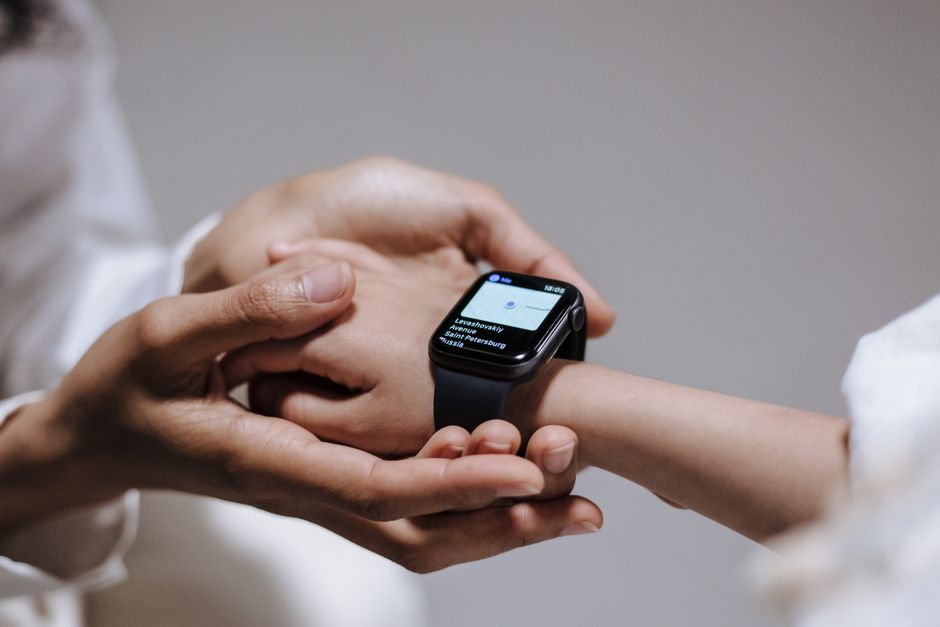
- "Your clinician has uploaded your consultation summary. Click here to view." "Your e-prescription has been sent to your local pharmacy. Click here to track status." "Based on your notes, please schedule a follow-up review in 4 weeks."
If an app leaves you wondering, "What do I do now?" then it has failed its primary purpose. Automation is not just about bringing you into the room; it’s about guiding you through the entire clinical journey until the health issue is resolved.
The Verdict: Do They Actually Help?
Yes, but only when they serve the patient rather than the provider’s metrics.
When used correctly, automated reminders and follow-up systems act as a cognitive aid. They reduce the burden on the patient to remember clinical timelines, they clarify the path to medication access, and they foster a more communicative relationship with the care team. They reduce the anxiety of "Did I miss an instruction?" and "When do I need to see the doctor next?"
However, if you are downloading an app that promises to "revolutionize your health with AI," take a breath. Look for the practical stuff:
Can I book a slot easily? Are the reminders customizable to my preference? Can I get to my prescription or my doctor in two clicks?If the answer to those is "yes," you’ve found a tool that actually supports your health. If the answer is "no," then it’s likely just a flashy digital filing cabinet—and you can do better.
Your health is a serious matter, and the tools you use to manage it should be just as serious. Don't settle for "transformation"—settle for functionality, transparency, and a system that respects your time as much as your clinical needs.